

For years, the Glòries district stood as an example of the failure of Barcelona’s grand city design. In Ildefons Cerdà’s famed master plan, Glòries was envisioned as a key square at the edge of the city center, connecting the grand boulevards, Gran Via and Diagonal, with the industrial areas.
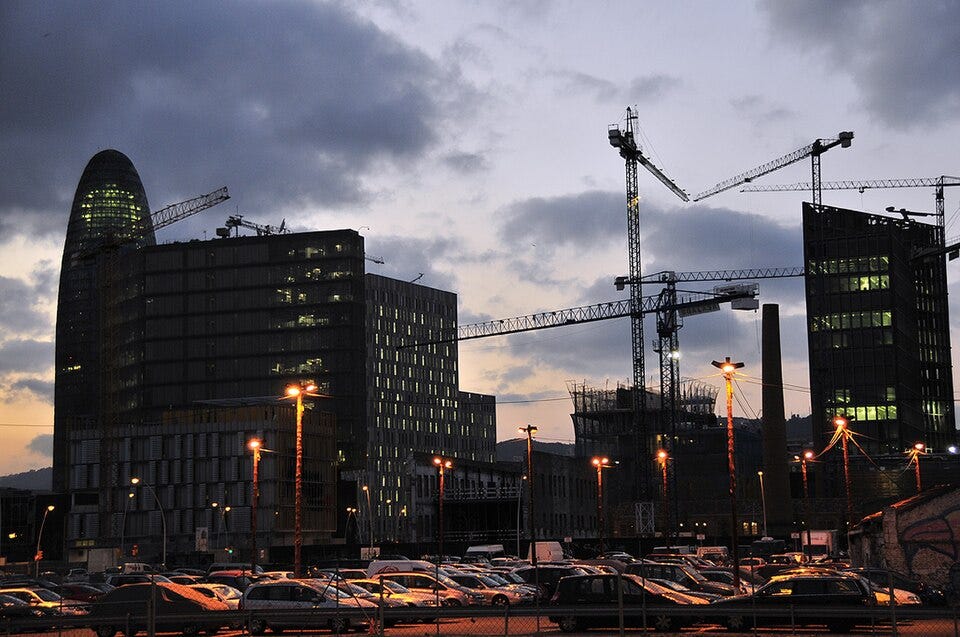
Instead, over the years Cerdà’s ideas were trashed, as Glòries was turned into a concrete mess of decaying neighborhoods and highway flyovers. It was best known for the crusty Encants flea market, which flowed through the streets, and the condom-shaped Torre Glòries (also known as Torre Agbar), the Jean Nouvel-designed tower that sticks out like a sore thumb from the skyline, unconnected to the city.
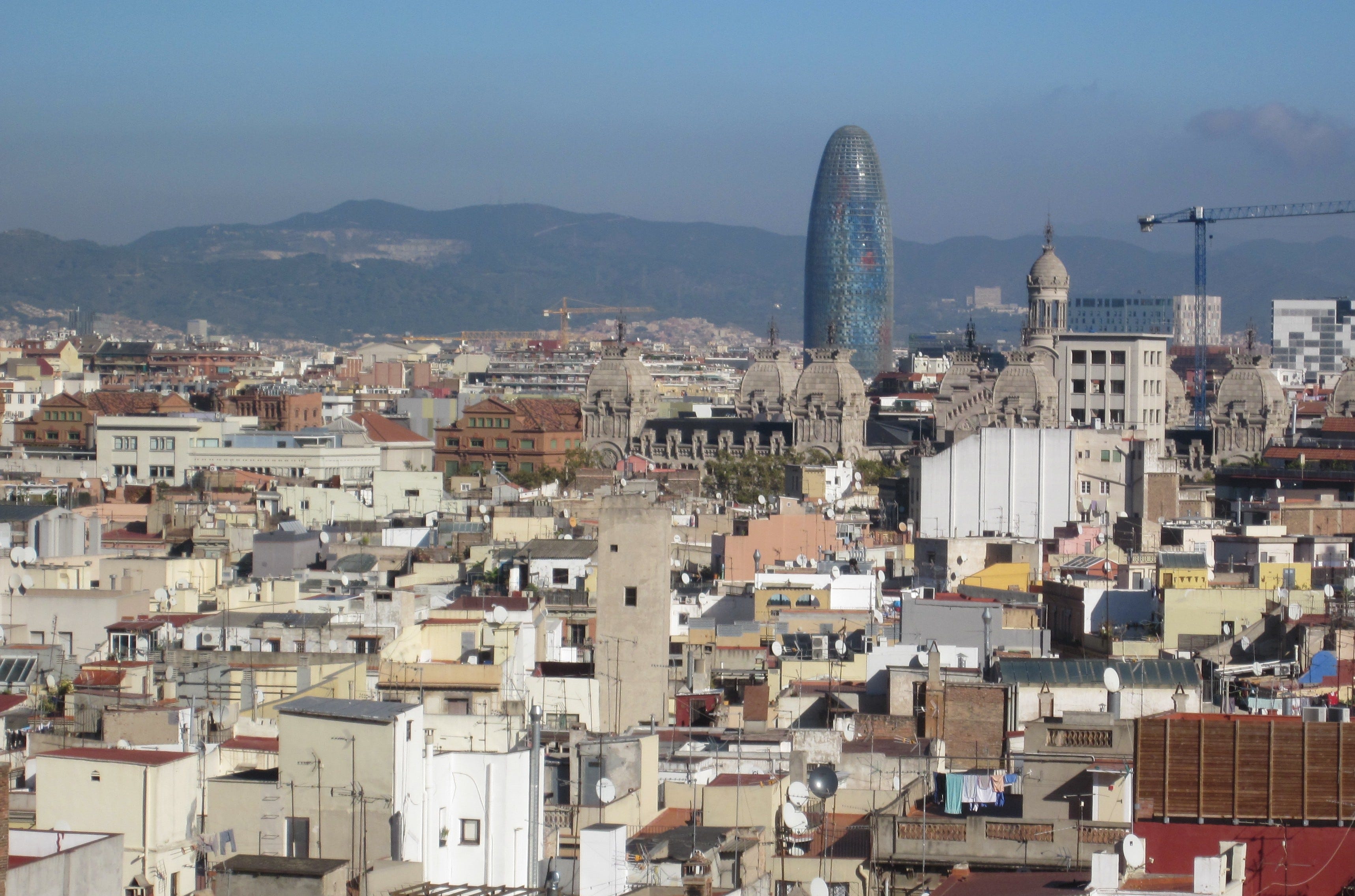
It took two decades, but the city has finally completed a plan to redesign Glòries around mobility and green space, creating a model for urban regeneration. It may not look anything like Cerda’s original concept, but the city has delivered on a promise to make Glòries a better place to live and work.
The new park officially opened last year and it’s amazing to see the transformation. For anybody who knew the old Glòries, stepping out of the metro station into the new district is a shock. The gray, depressing vibe is gone. There are cultural centers and green spaces that look like an organic part of the city, as if they’ve always been there.
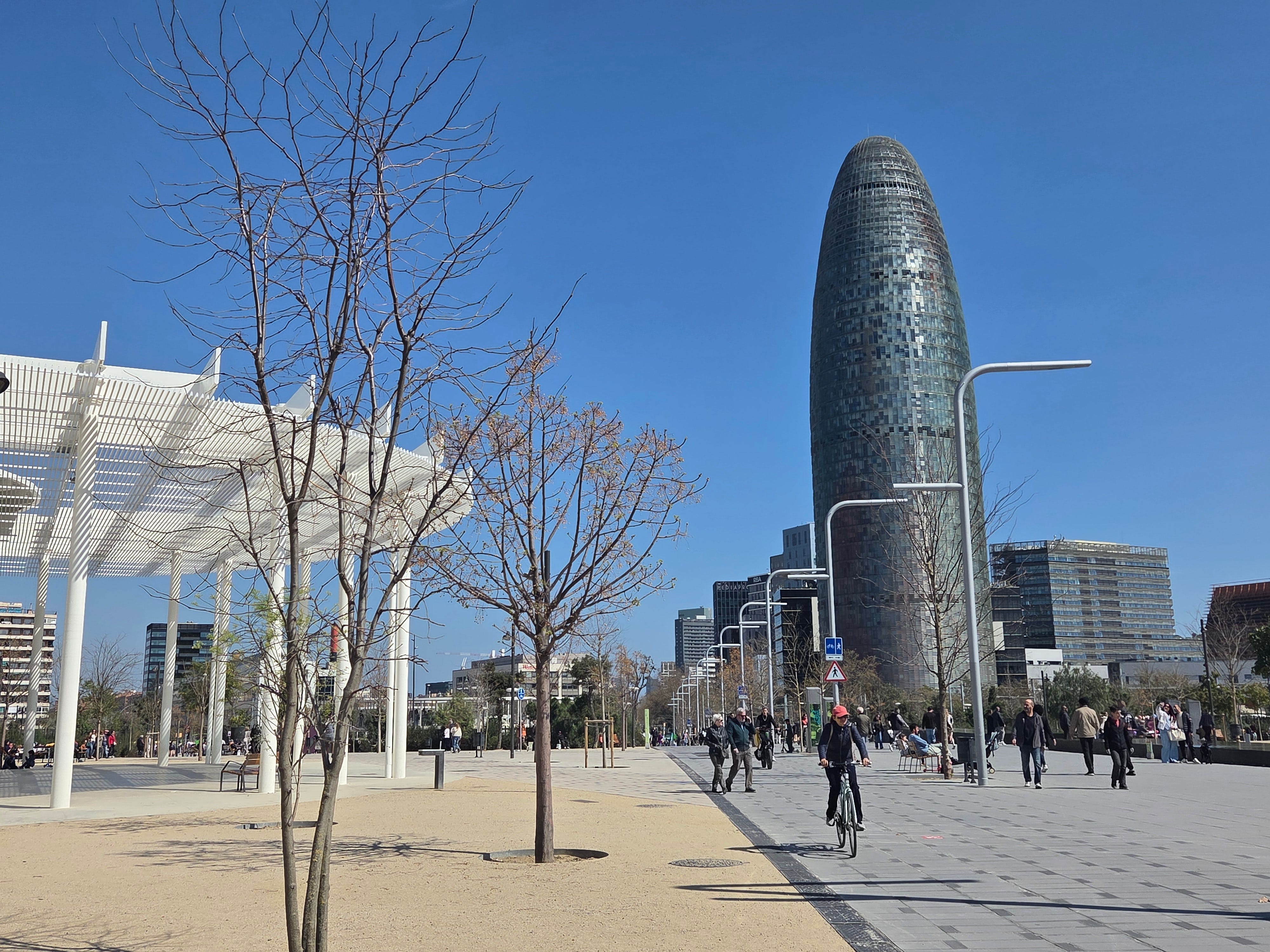
The Glòries plan is playing a big role in this year’s World Architecture of Congress, which is celebrating the city’s commitment to architecture and urban renewal. (You can take a free tour.) There are lessons to be learned from the process and the years of aggravation that led to the final design.
There were many seemingly insurmountable obstacles to overcome, including dozens of conflicting interests, massive bureaucracies and longstanding distrust of any city plan. Redevelopment in the city traditionally meant massive displacement of locals, gentrification and gifts for the wealthy developers.
Is Spain a good place to retire? Isidra Marcos interviewed me about the challenges.
The area targeted for redevelopment was primarily private land. A large complicated public-private apparatus was developed that focused on the big ideas of urban regeneration, taking a big swing at equity, affordability and healthy living. The city took an active lead role to develop the plan and back funding, an essential ingredient. A public entity, the Consorci de la Zona Franca de Barcelona (CZFB), comprised of federal and business interests, helped facilitate development and funding, while the city subsidized affordable housing with private developers.
The first step was the development of 22@, a new technological district. But it’s interesting to note that the innovation district alone was not a catalyst for major change — a 2000-era study found only 5% of the workers in the 22@ district actually lived in the area.
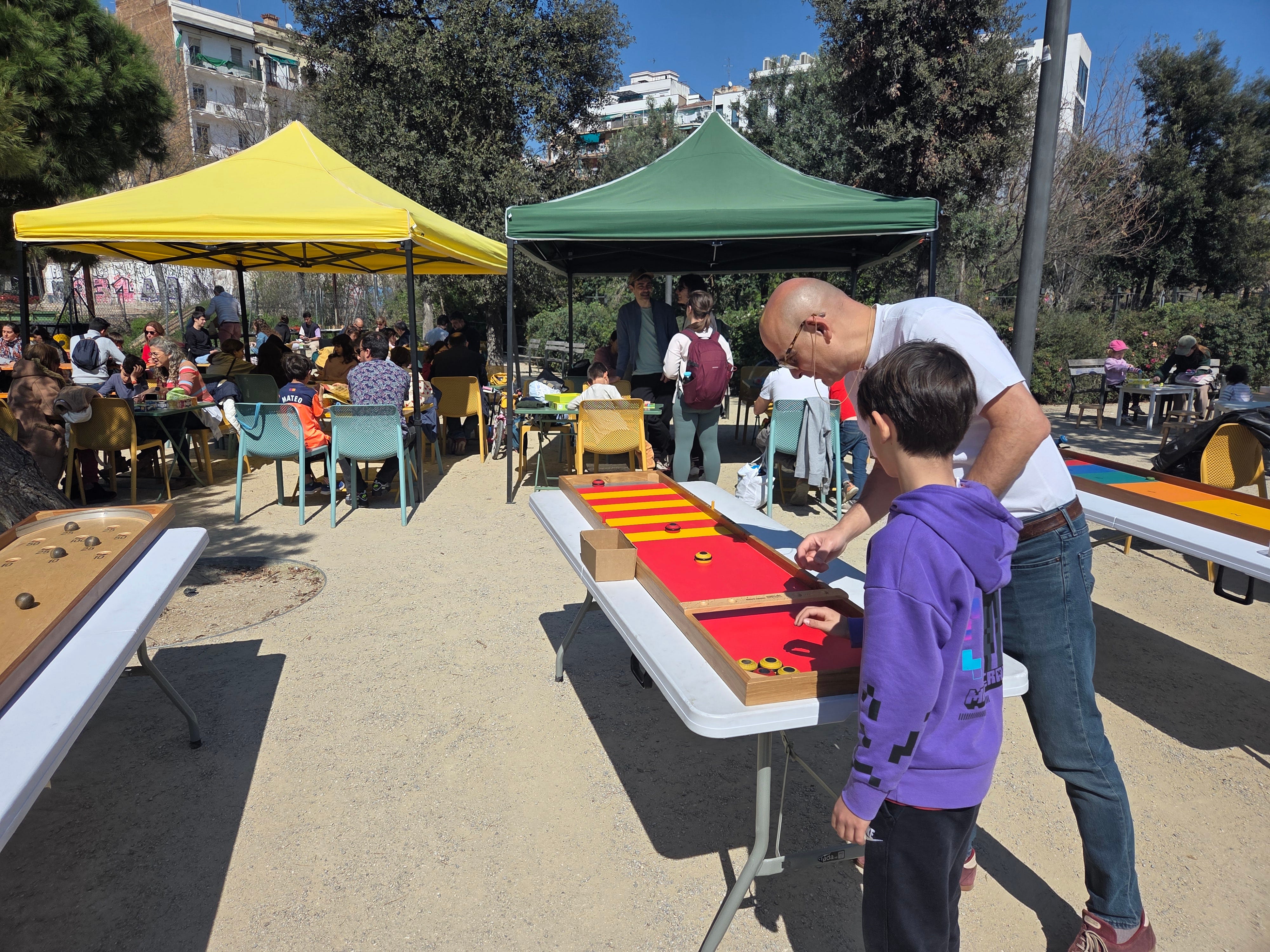
The centerpiece of the redevelopment is Parc de les Glòries, a nine-hectare (22 acre) park with 30,000 square meters of green space and more than 1,000 trees. In a city not known for green space, it is now the second largest park in the city, behind Parc de la Cuitadella.
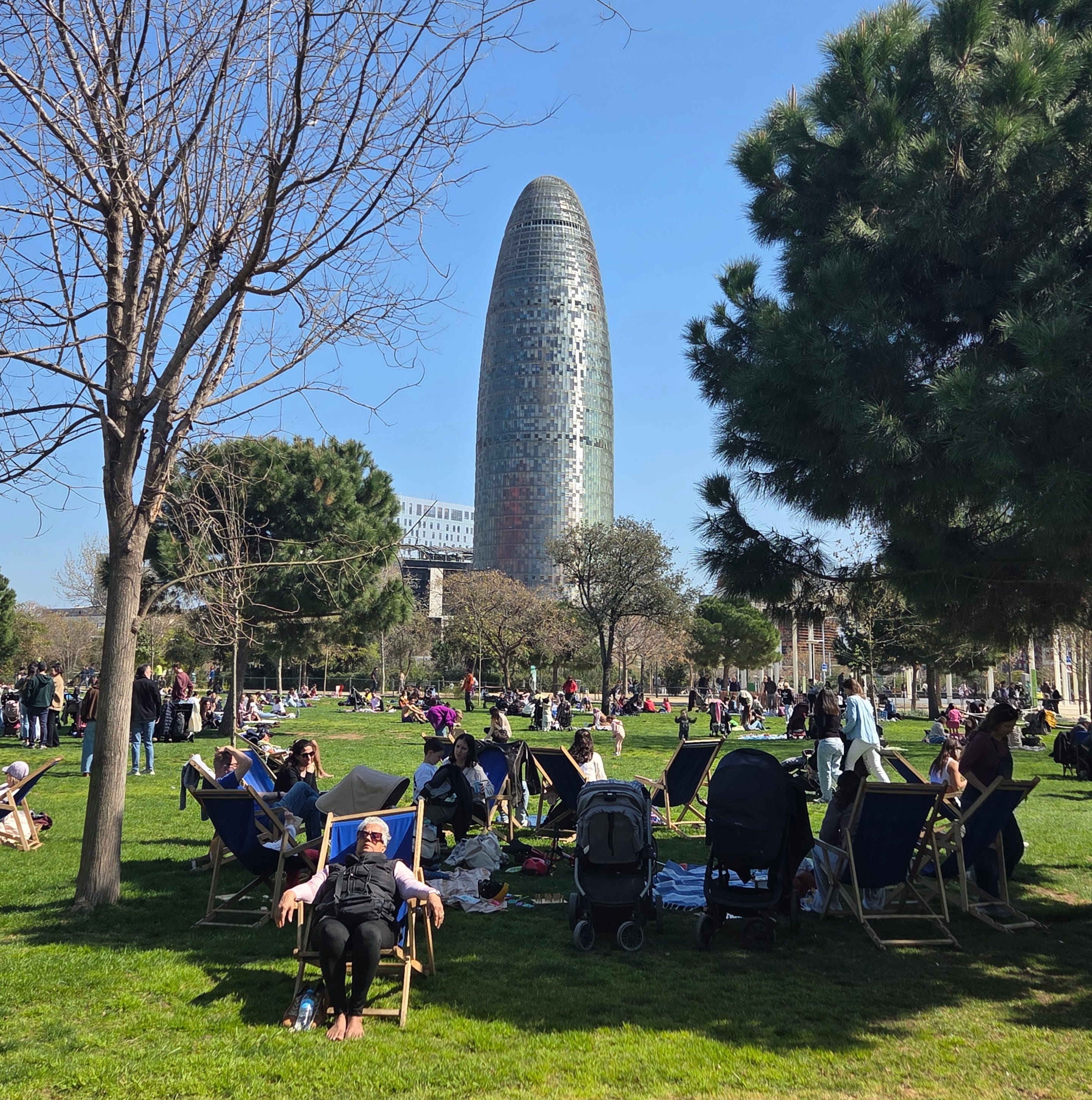
The park is designed with spaces for families and events. It’s more than a “stretch of lawn.”
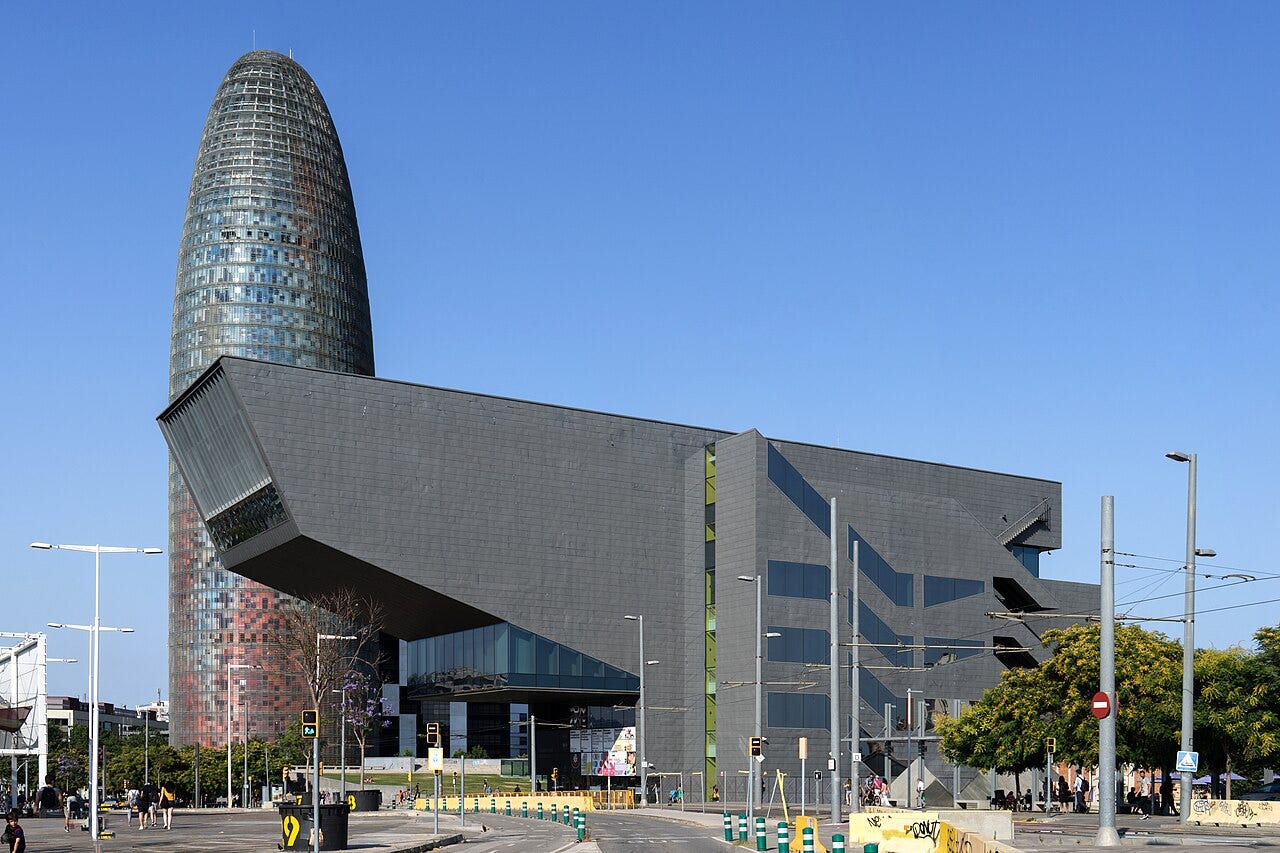
The redevelopment also created a new cultural hub for the city, including the Teatre Nacional de Catalunya, spotlighting Catalonia’s performing arts; L’Auditori & Museu de la Música, focusing on musical arts; and a center devoted to design, the distinctive Disseny Hub Barcelona, which is next to the metro stop that serves the district.
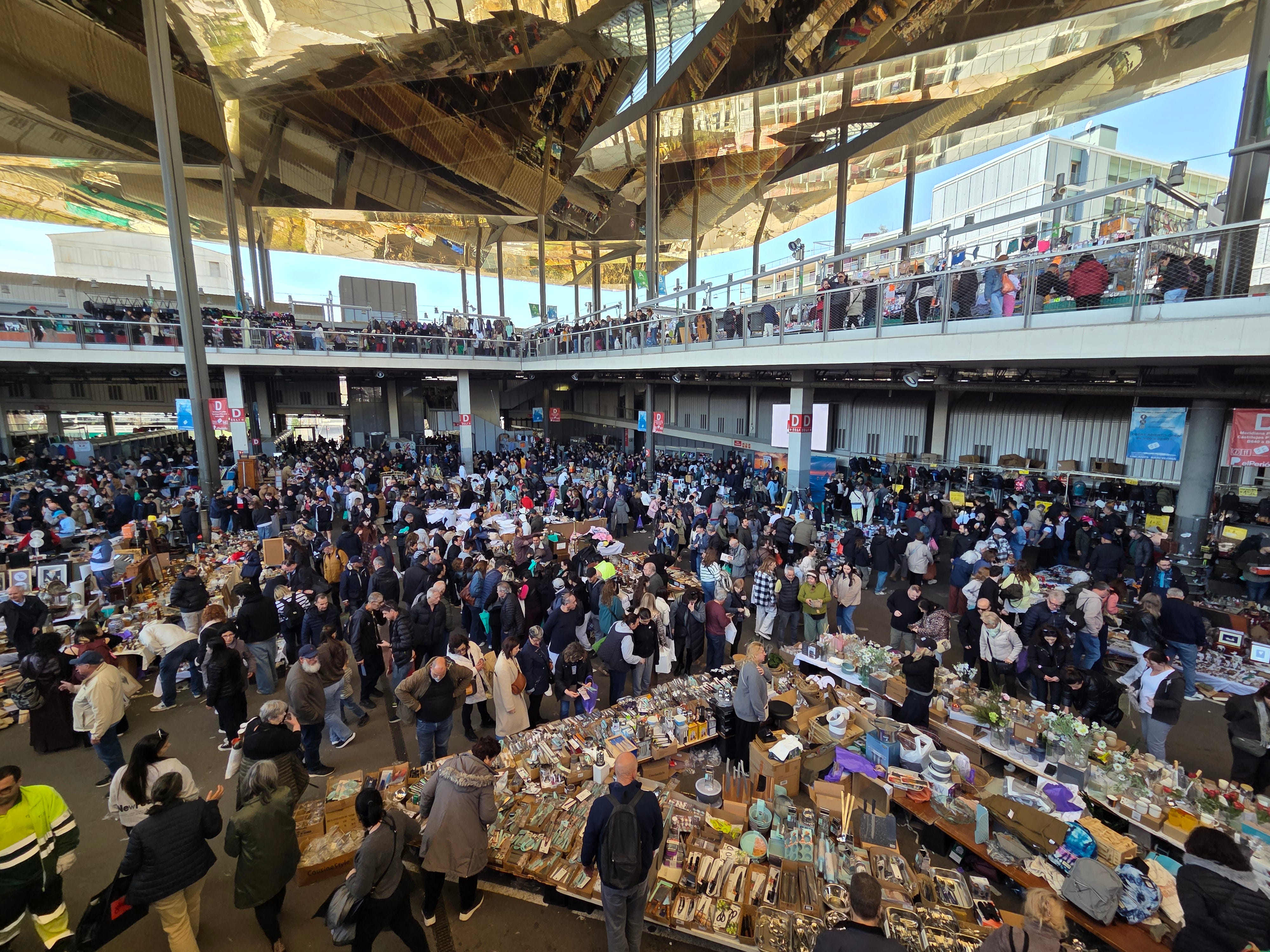
During the years of redevelopment, the city also created a new central home for the flea market.
Walking around the area, you can see an attention to detail, and a willingness to push the boundaries for Barcelona design. You can also see the cooperation between different design disciplines, including landscape architecture. The metro stop features a sunken amphitheater with a cactus garden.
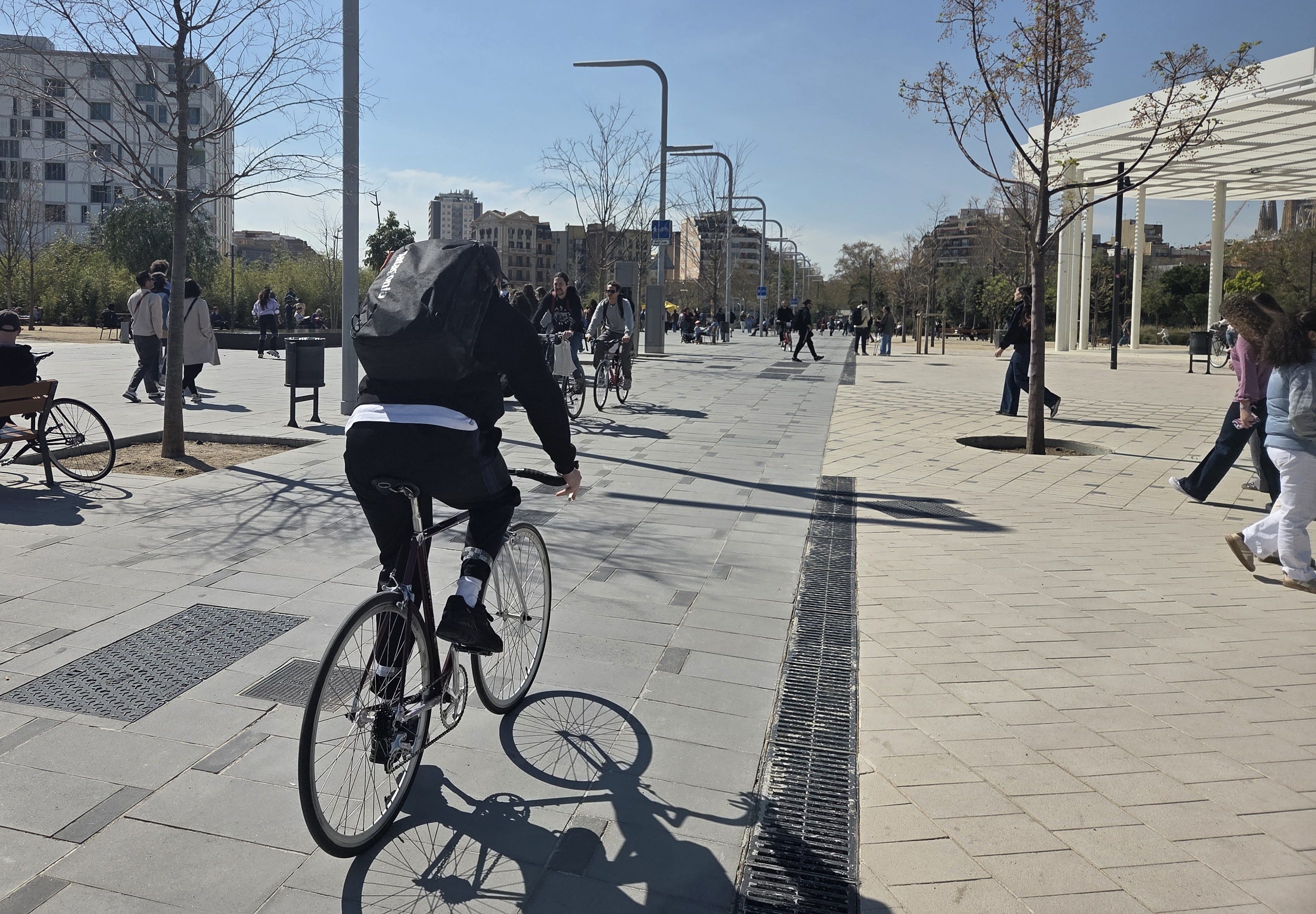
There is an easy test for any regeneration plan: do people use the spaces? On any given day, Glòries is alive with activity. The offices are occupied, the housing in demand. Locals have embraced the park, which is now the center of daily life for the neighborhood and a key mobility connection to the metro stop and surrounding communities.
Not everyone is happy with the final result — it’s Barcelona. Debates will continue over affordable housing, the long-term commitment to sustainability and a dozen other issues. But Glòries stands as an example of perseverance and a city’s commitment to focus on big issues and reverse the mistakes of the past.
If you're moving, make sure there's room for us to visit, please!
I enjoyed this article of yours, Kevin. You've really done it justice. It's one of my preferred parts of the city and when I used to work there it was still heaving with construction but the park especially has turned out well. I know it's not exactly in Glories but the nearby "Superilla" blocks have helped lift the quality of life a lot too, in my opinion. https://bicycledutch.wordpress.com/2017/11/07/the-barcelona-superblock-of-poblenou/