

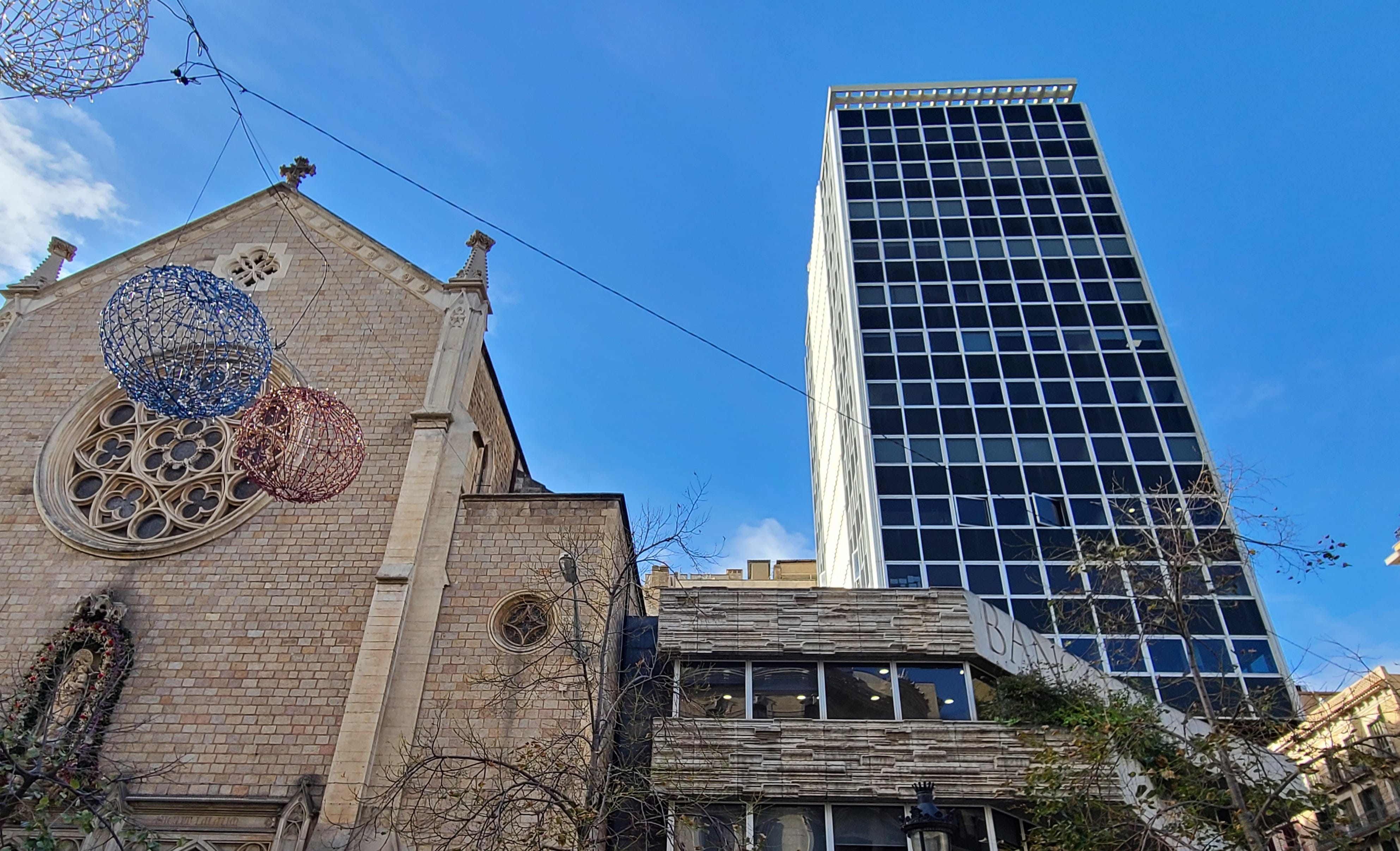
As UNESCO celebrates Barcelona as the 2026 World Capital of Architecture, highlighting the city’s success stories, organizers should take some time to discuss the misguided decisions and scandalous projects that continue to tarnish the city’s neighborhoods.
Throughout the city, random glass, steel and concrete edifices protrude from the famed modernist neighborhoods, unconnected to the community, style or common sense. The ideals that define the city were abandoned to approve projects that provide little value and, to this day, destroy the skyline.
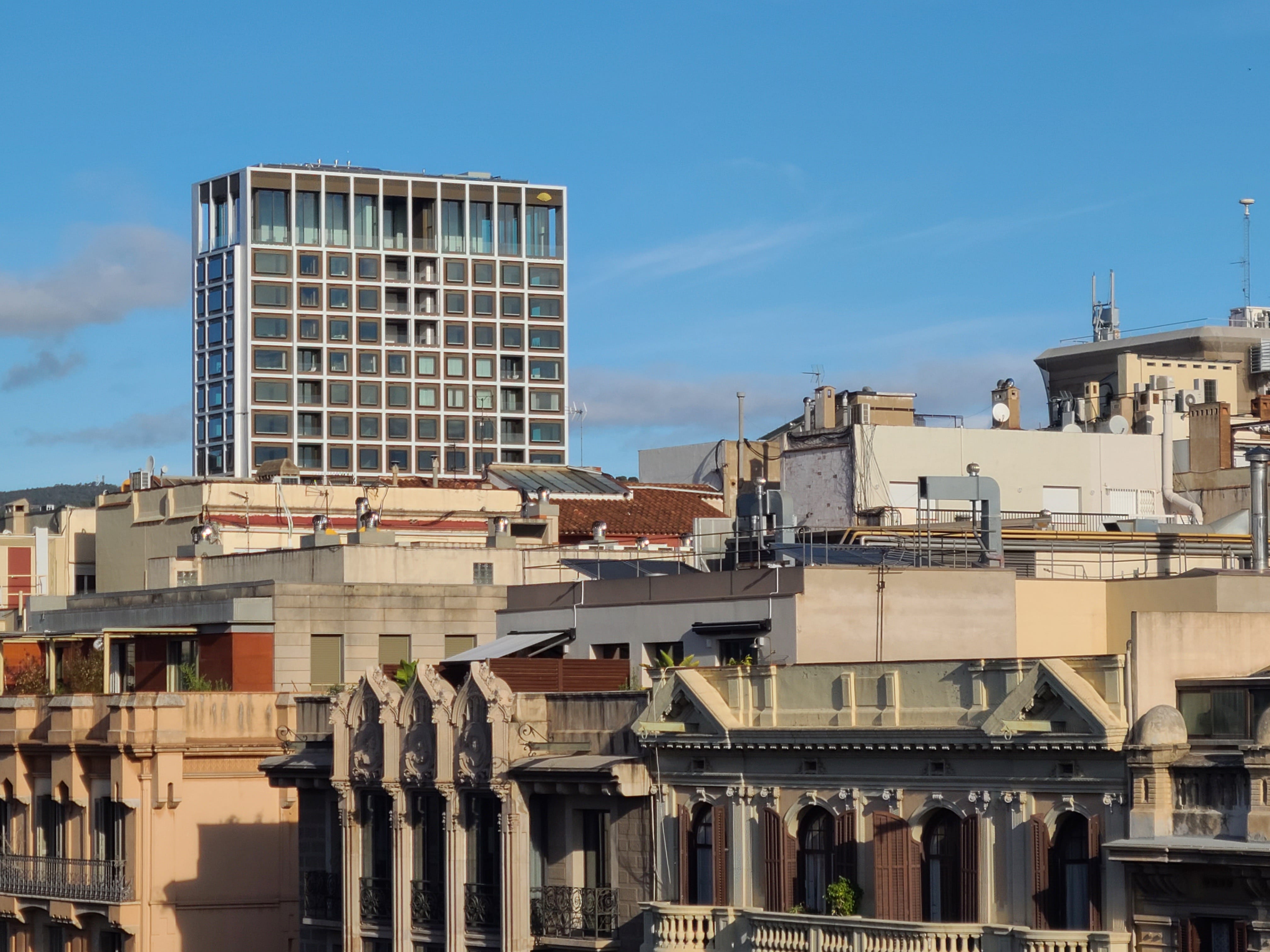
These buildings didn’t happen by accident. Plans and regulations were ignored. Developers were given free rein. Leaders vacated their responsibilities.
It’s a familiar story in cities around the world. But it is particularly glaring in Barcelona, where the city’s core and identity are built around scale, nature and a commitment to healthy living.
Even in Eixample, the district of uniform blocks created by Ildefons Cerdà’s world famous urban plan, the neighborhoods are littered with shockingly inappropriate, utilitarian buildings. In many cases, they are jammed next to classic old buildings. Who would think this is a good idea?
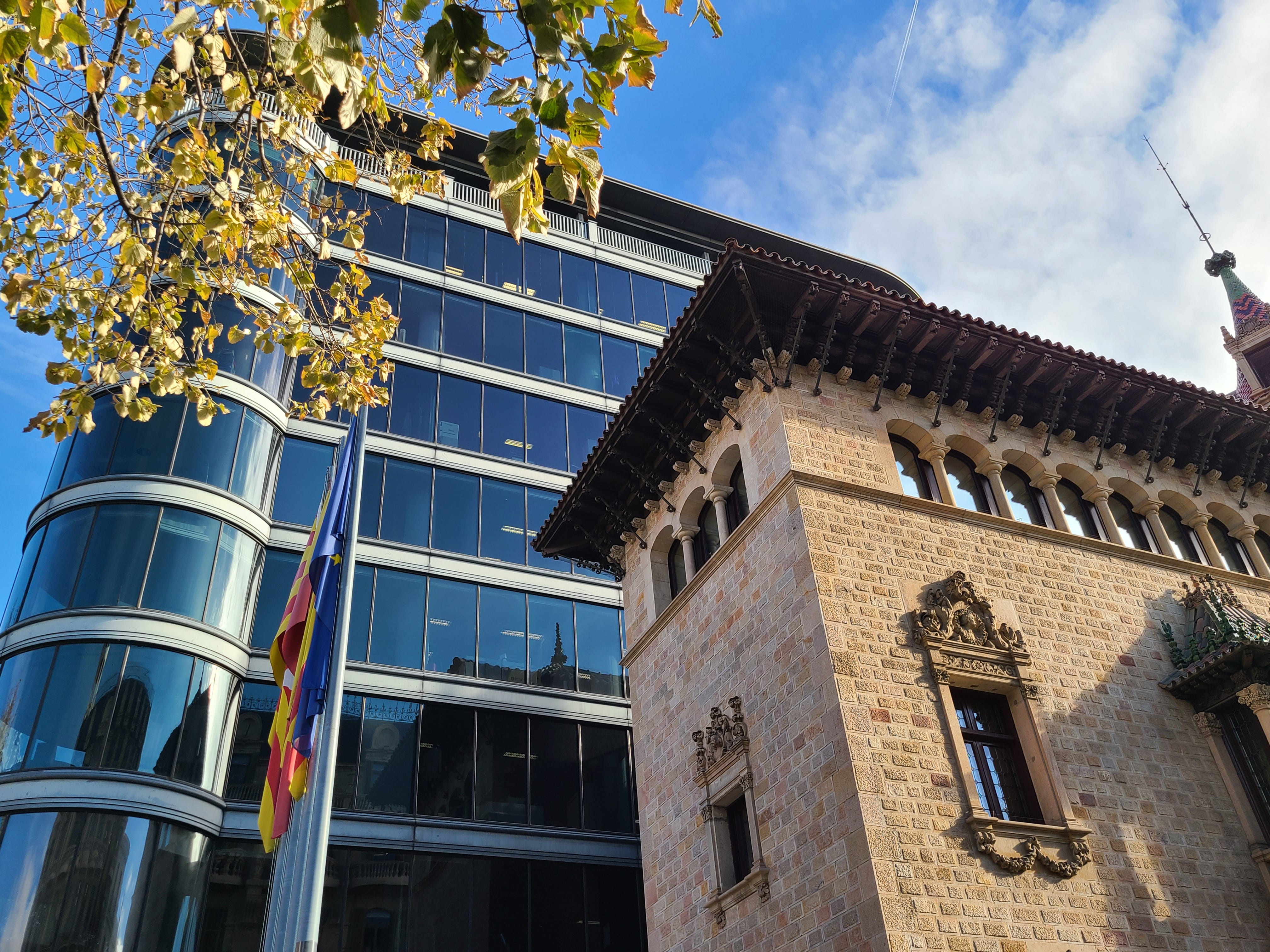
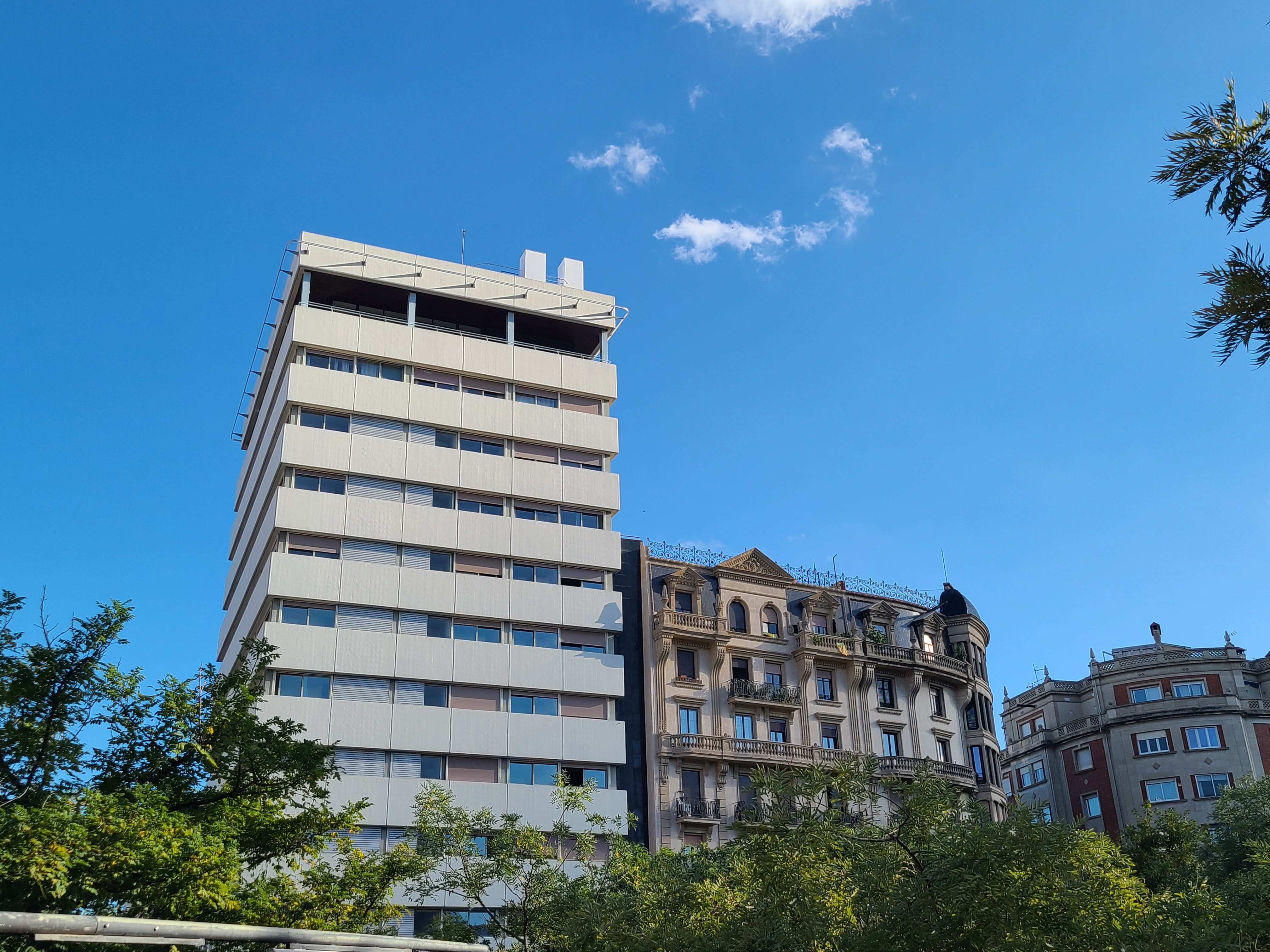
These are the type of buildings that pop up when planners don’t care and city leaders turn over the keys to the developers. It happens in most cities and Barcelona, land o’ modernisme, didn’t escape the greed and short-sightedness of politicians and bureaucrats.
Of course, in Barcelona there is a historic twist. Many of these buildings trace their origins to the depressed decades after the Spanish Civil War, when dictator Francisco Franco brutally suppressed the city. Some buildings were hastily constructed to fill in the destruction caused by bombers during the war. (Barcelona stands out in the annals of modern warfare as the first city systematically bombed from the air.)
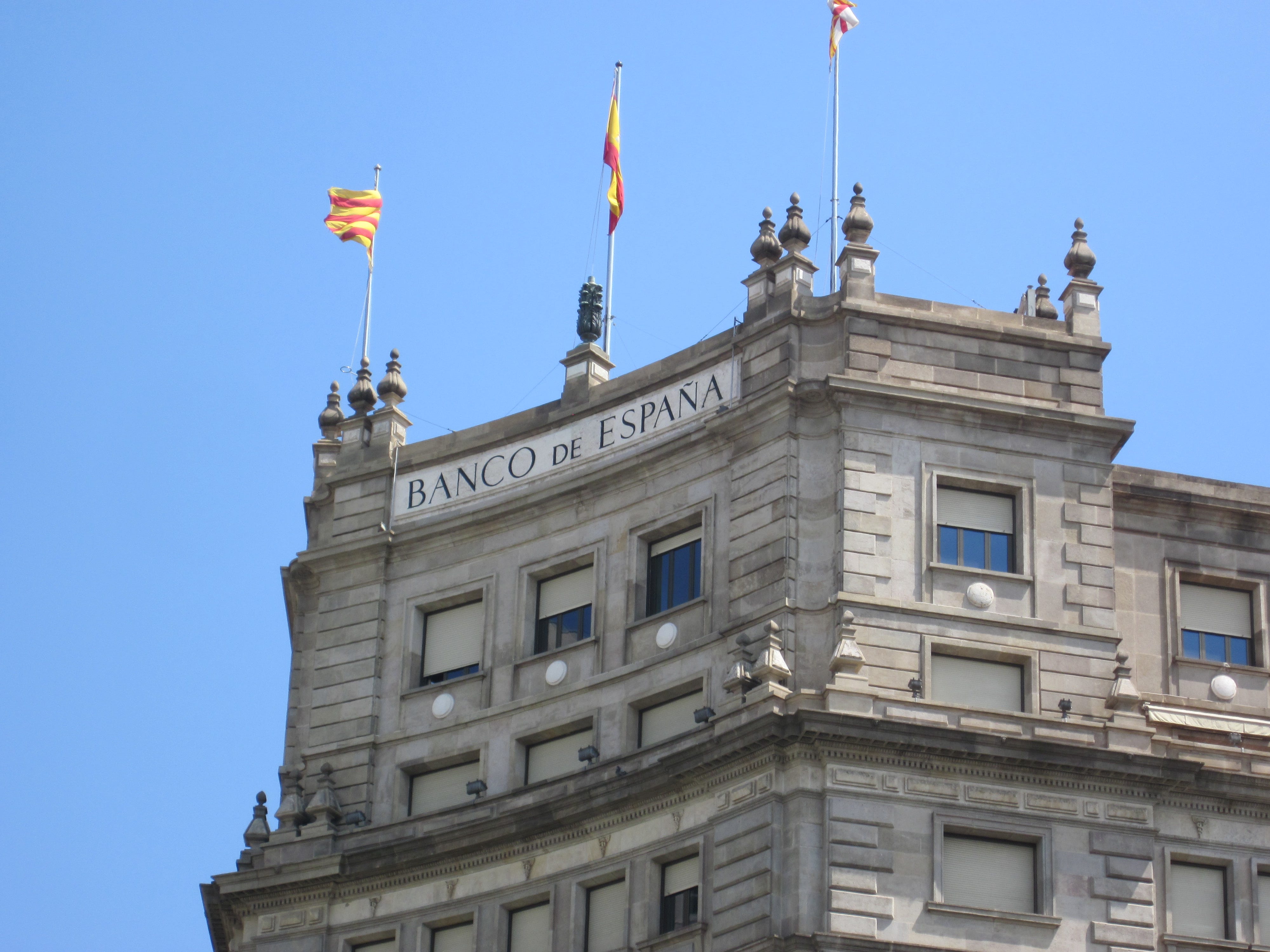
After the war, Barcelona suffered under Franco’s regime, which had little interest in preserving the “decadent” architectural style of the defeated city. Grand authoritarian buildings were promoted, demonstrating Franco’s classically fascist tastes. A typical example is the Banco de Espana headquarters on Placa Catalunya, built in 1955, which would seem more at home in 1930s Berlin or old Rome.
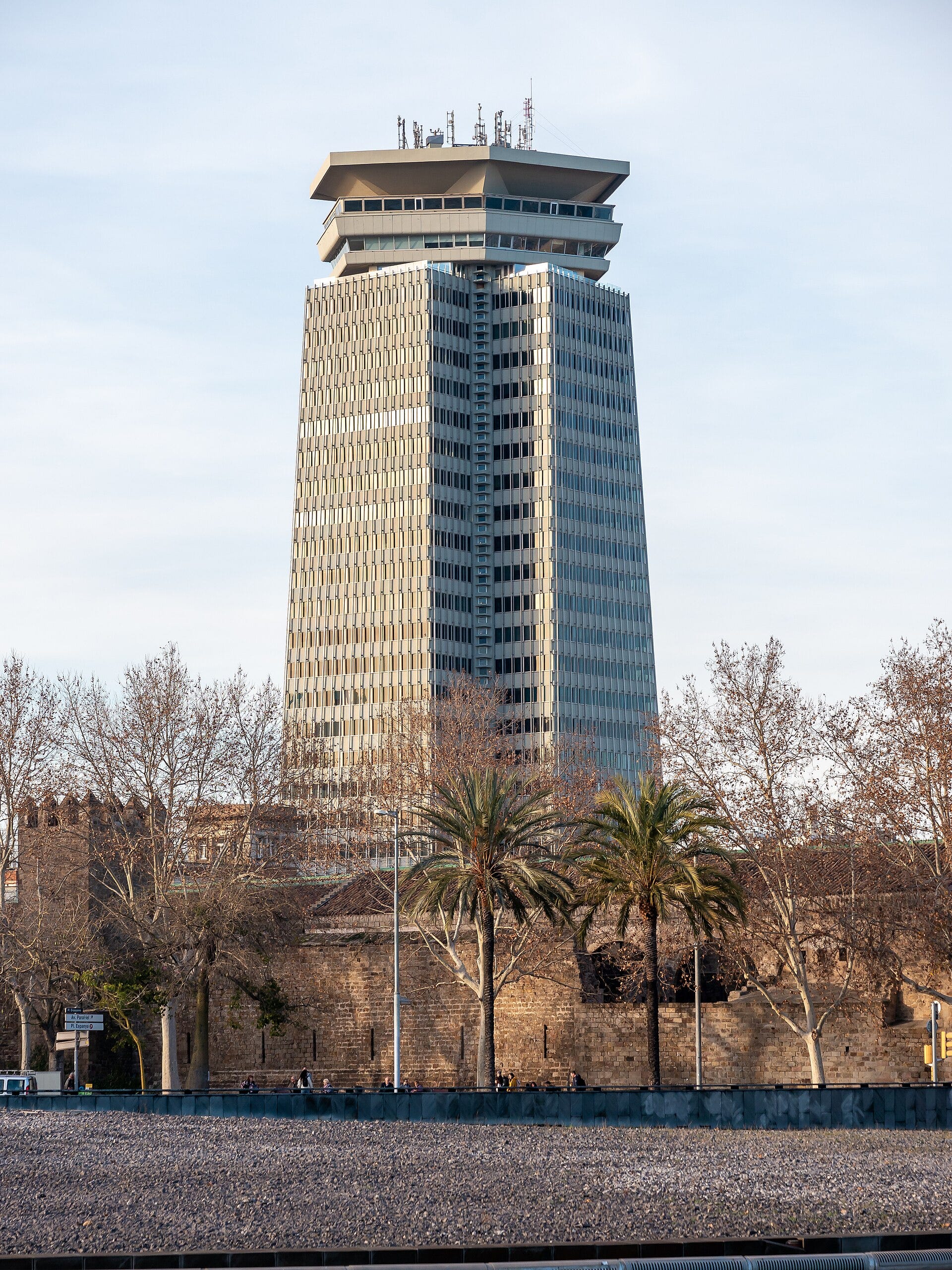
Throughout the city, random towers were hastily constricted with designs that purposely ignored the craftsmanship and spirit of the modernist movement or the urban planning elements that defined the city. The 28-story Edificio Colón, completed on the port in 1970, is an office building with a restaurant on top, designed in a semi-brutalist style that probably looked cool and trendy for maybe six months.
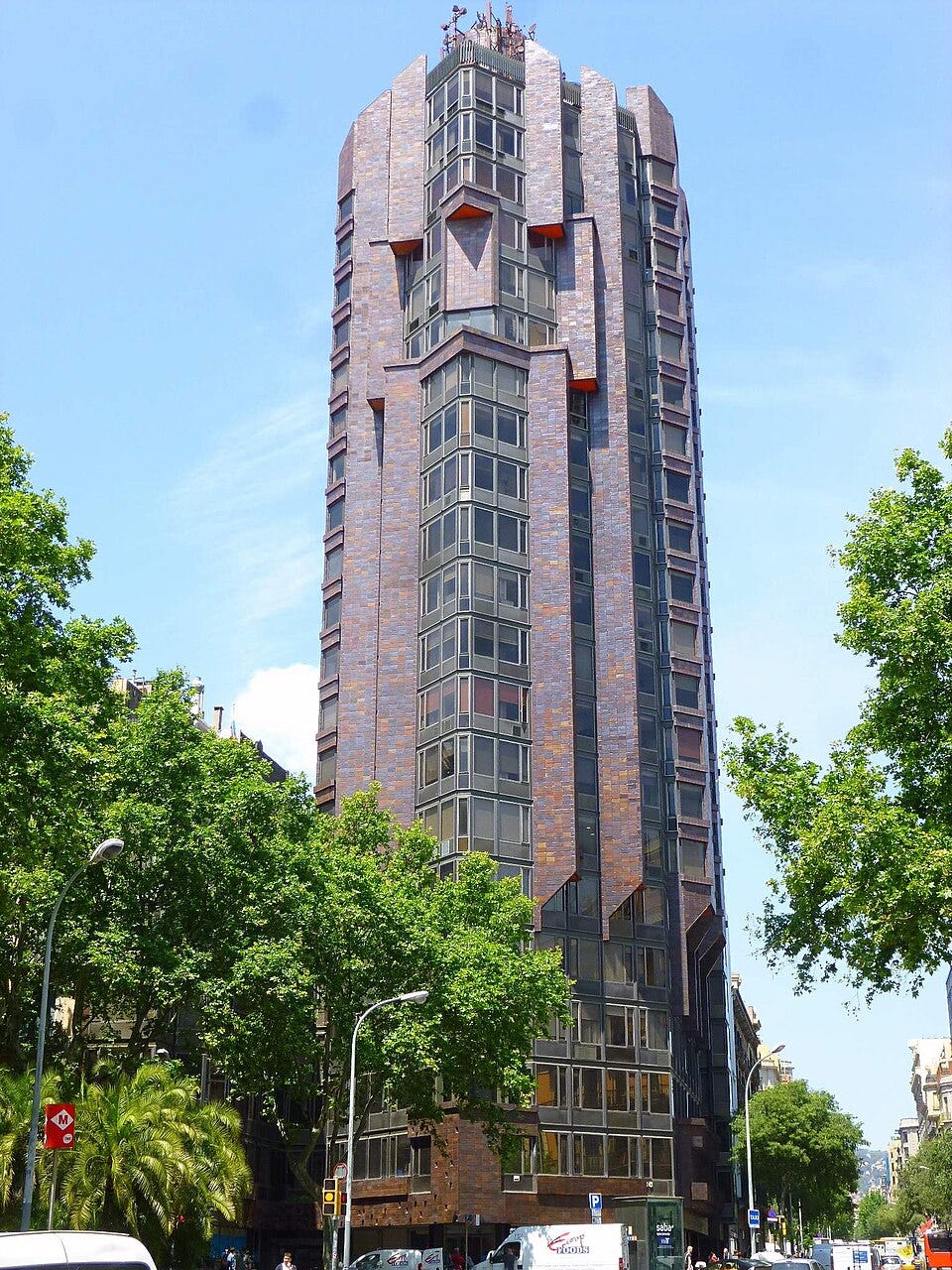
The 22-story Torre Urquinaona, completed in 1971, captures the essence of the cheap authoritarian stylings preferred during the Franco years. Lot’s of sharp corners and straights lines, in sharp contrast to flowing curves and whimsy of modernism and Art Nouveau. It looks like Ming the Merciless designed a condo tower.
After Franco’s death, the 1992 Olympics sparked a great building surge, a feverish effort to catch up and create the type of architecturally “significant” projects city leaders believed would make Barcelona a modern city. Developers were allowed to bulldoze huge swatches of the city. Whole communities were displaced. And Barcelona was left with a series of random projects with few links to the city’s famed design aspirations.
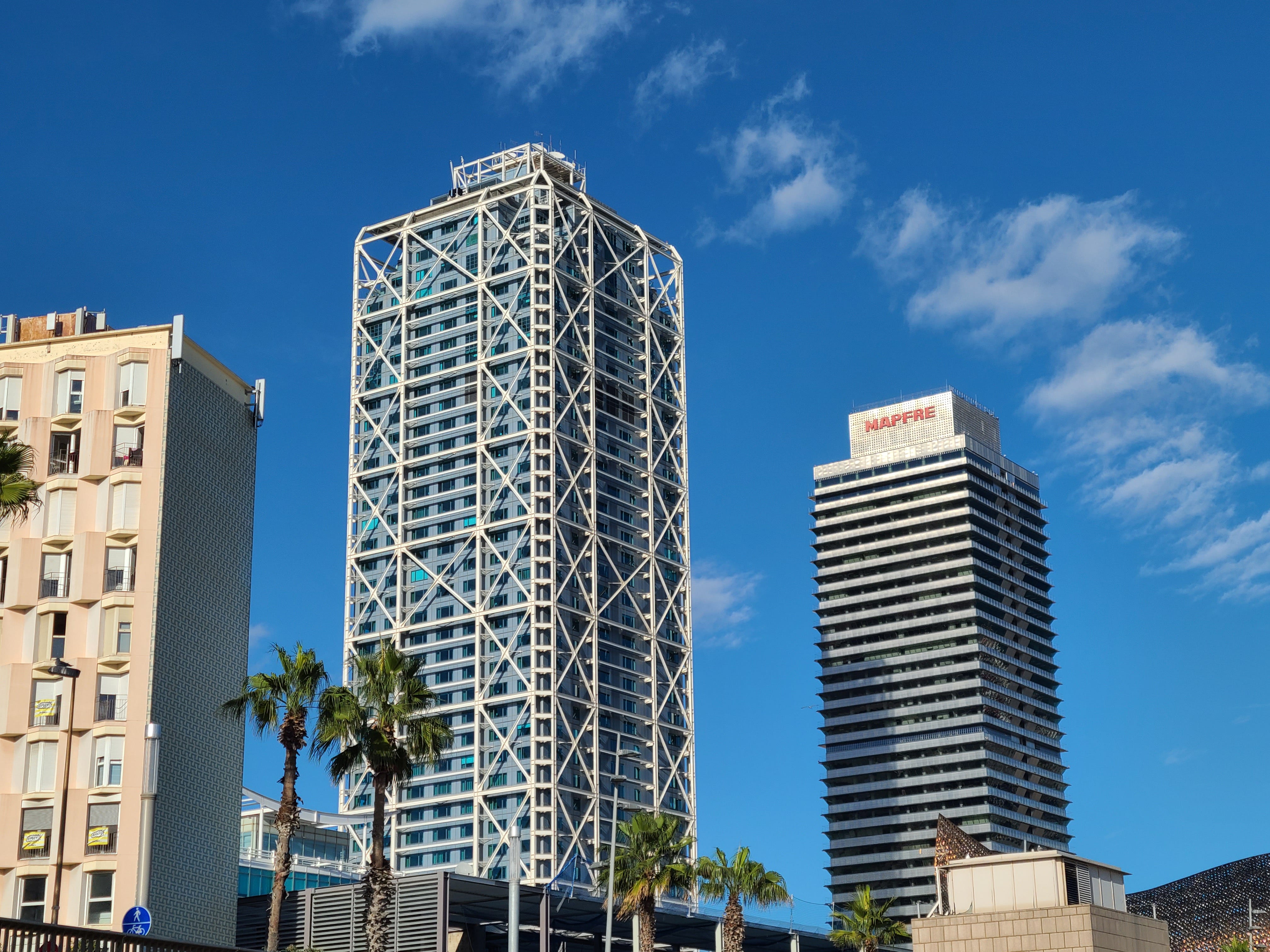
In the runup to the Olympics, an Olympic Village was thrown up on the new waterfront, Vila Olímpica, including the city’s new tallest buildings. Of the two, the most striking is the 154-meter-tall, 44-story Hotel Arts, which copies the distinctive exo-skeleton of Chicago’s legendary Hancock building. That’s not surprising, since the hotel was designed by Bruce Graham and Skidmore, Owings & Merrill, the same team behind the Hancock building, who apparently cashed in with a small-scale version of their iconic Windy City project.
The other tower developed in what could have been a seminal complex is Torre Mapfre, a bland steel-and-glass office tower that would look great in downtown Fresno. Torre Mapre’s claim to architectural fame, at the time, was “the highest helipad in Spain.”
To add a bit more starchitect flair, Frank Gehry, fresh off earning the Pritzker Prize in 1989, tossed in a 52-meter glimmering fish sculpture, El Peix, as a canopy for the shops and restaurants. And, at the time, the complex created a pleasant image when the world turned its attention to Barcelona and The Games.
But time hasn’t been kind. Today Vila Olímpica survives as a cold, remote hotel, retail and shopping center that has little to do with the rest of the city. (Hotels Arts is operated by Ritz Carlton.) It’s a place for tourists and the crowds frequenting the casino.
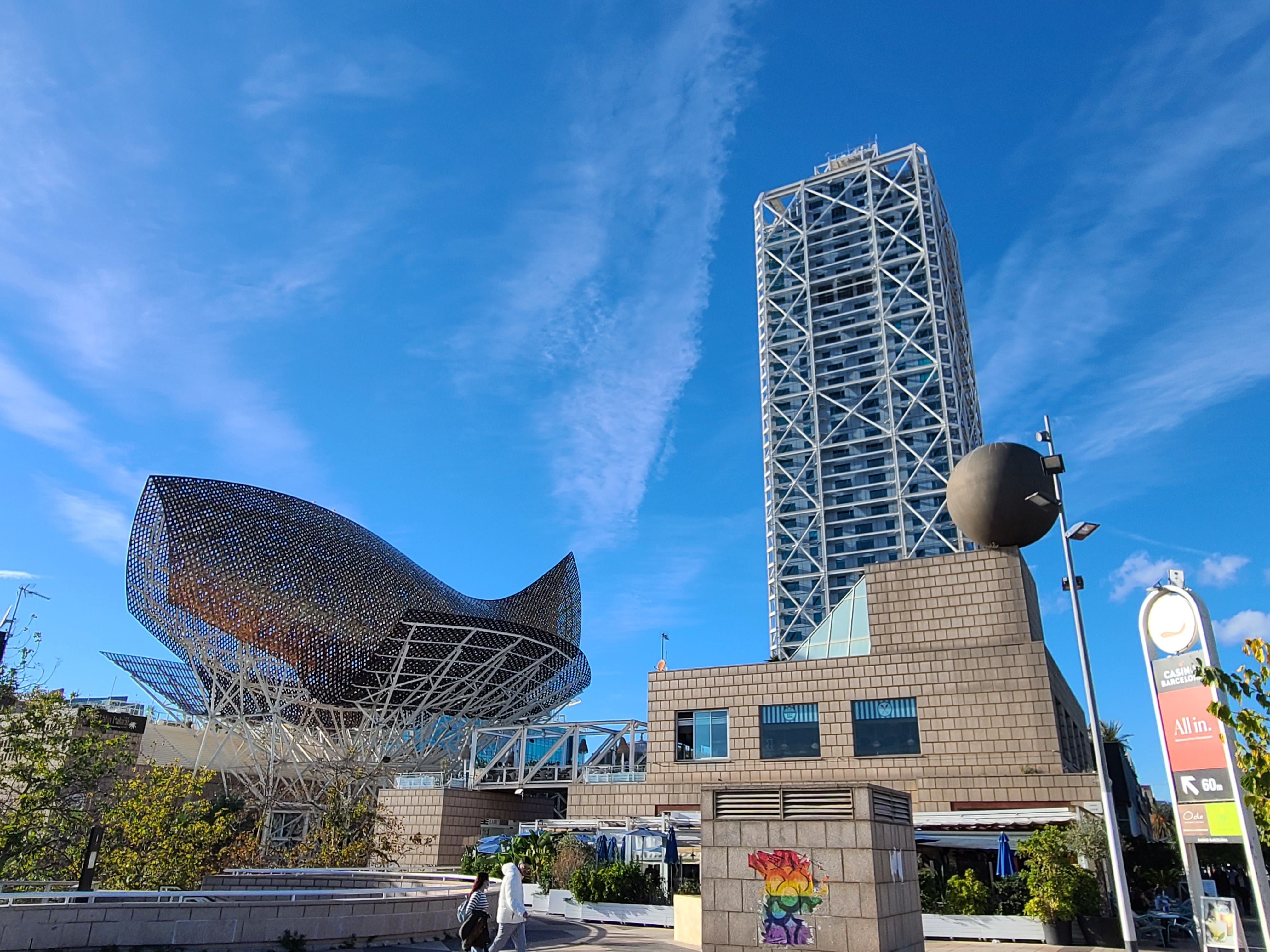
In the craze to build new and look modern, Barcelona approved a series of architectural anomalies that speak to architects trying to wow architecture students. You can see city leaders grabbing at design trends, hoping to appear hip, while ignoring the elements that would later define Barcelona as the “world capital of architecture.”
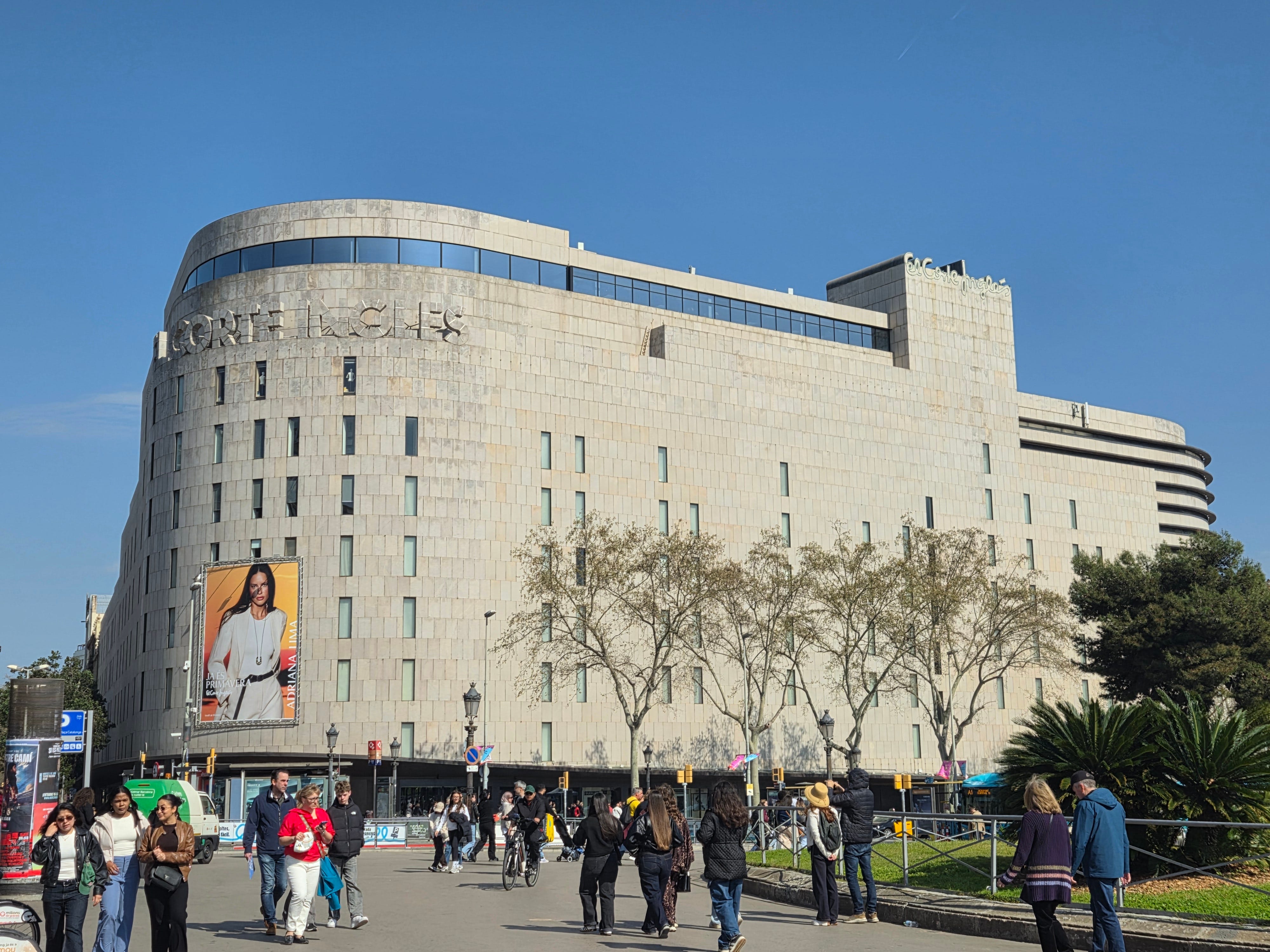
Stark, charmless buildings began appearing throughout the city. In 1993, the fast-expanding, nine-story El Cortes Inglés department store on Plaça de Catalunya, occupying one of the city’s most treasured corners, was reclad into a brutalist fortress.
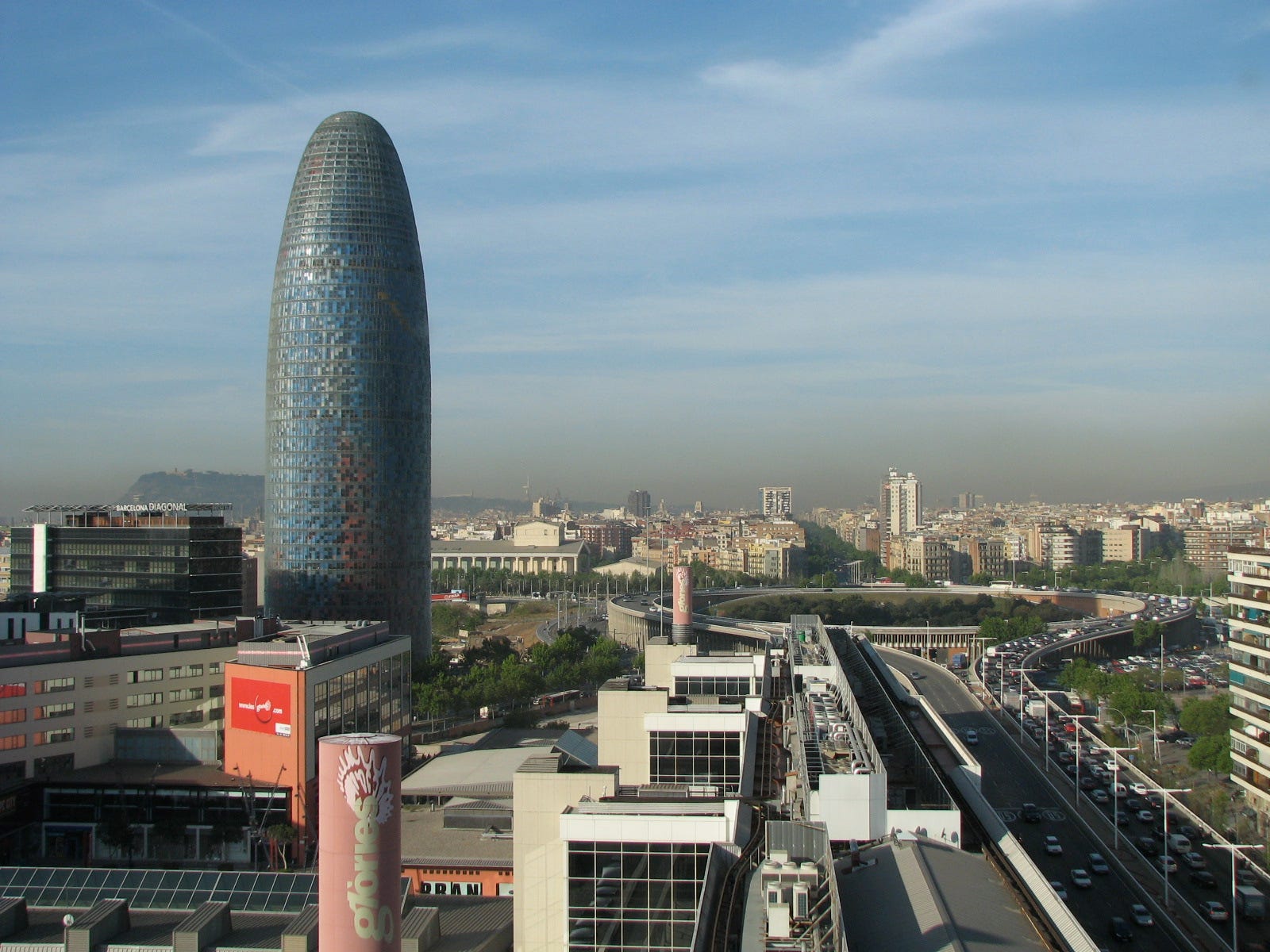
Beyond Sagrada Familia, the most distinctive building on Barcelona’s skyline is Torre Glòries, a round, glass-coated tower built in 2005 that sticks out of the landscape like a glowing condom. Designed by French architect Jean Nouvel, Glòries is beloved by tall building fans for its natural ventilation system and complex façade. And many locals tout it as an example of a new era of design. But it has little to do with the style, skyline and character of Barcelona, and you can’t not see it.
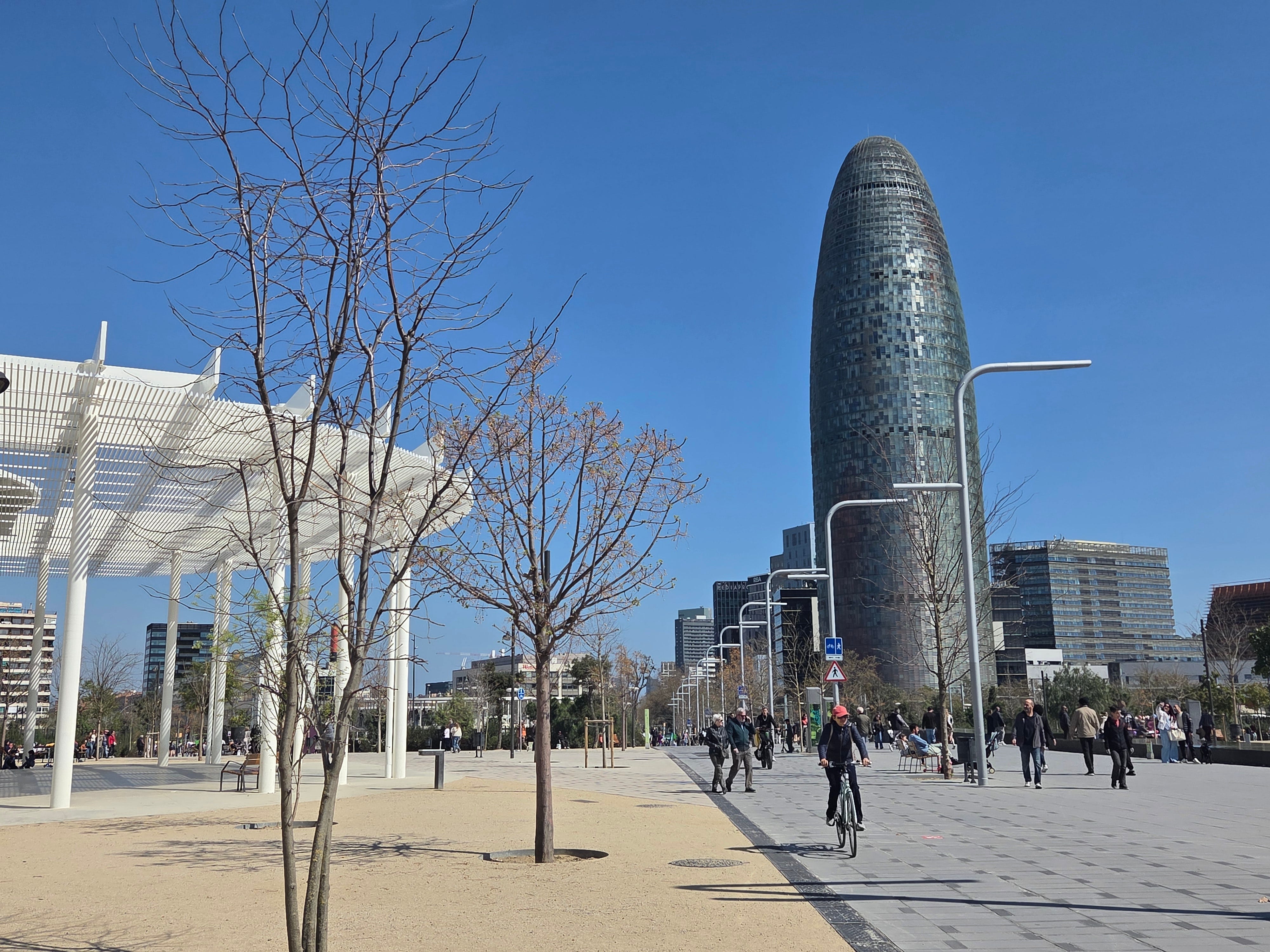
Architecture fans will also note that Nouvel used almost the same design to better effect in Qatar, with the Doha Tower. That makes Glòries nothing more than Nouvel’s second-best glass condom tower, which hardly stands as a great sell line for the postcards.
As a side note, in recent years the public space around Glòries has been the target of a massive urban renewal project, including new parks and cultural spaces. It is one of the success stories that will be discussed during the World Capital of Architecture events. And Torre Glòries still seems rundown and out of place.
The most hated building in Barcelona might be the W Hotel built in 2009, a glass “sail” on the waterfront with zero connection to anything in the city. The developers ignored Spain’s strict laws for building on the water’s edge. A key piece of land was wasted. Two years after it was finished Spain’s Supreme Court ruled that the construction was illegal, but refused to order it torn down. The “sail” design is also a ripoff of the Burj al Arab “sail” design in Dubai.
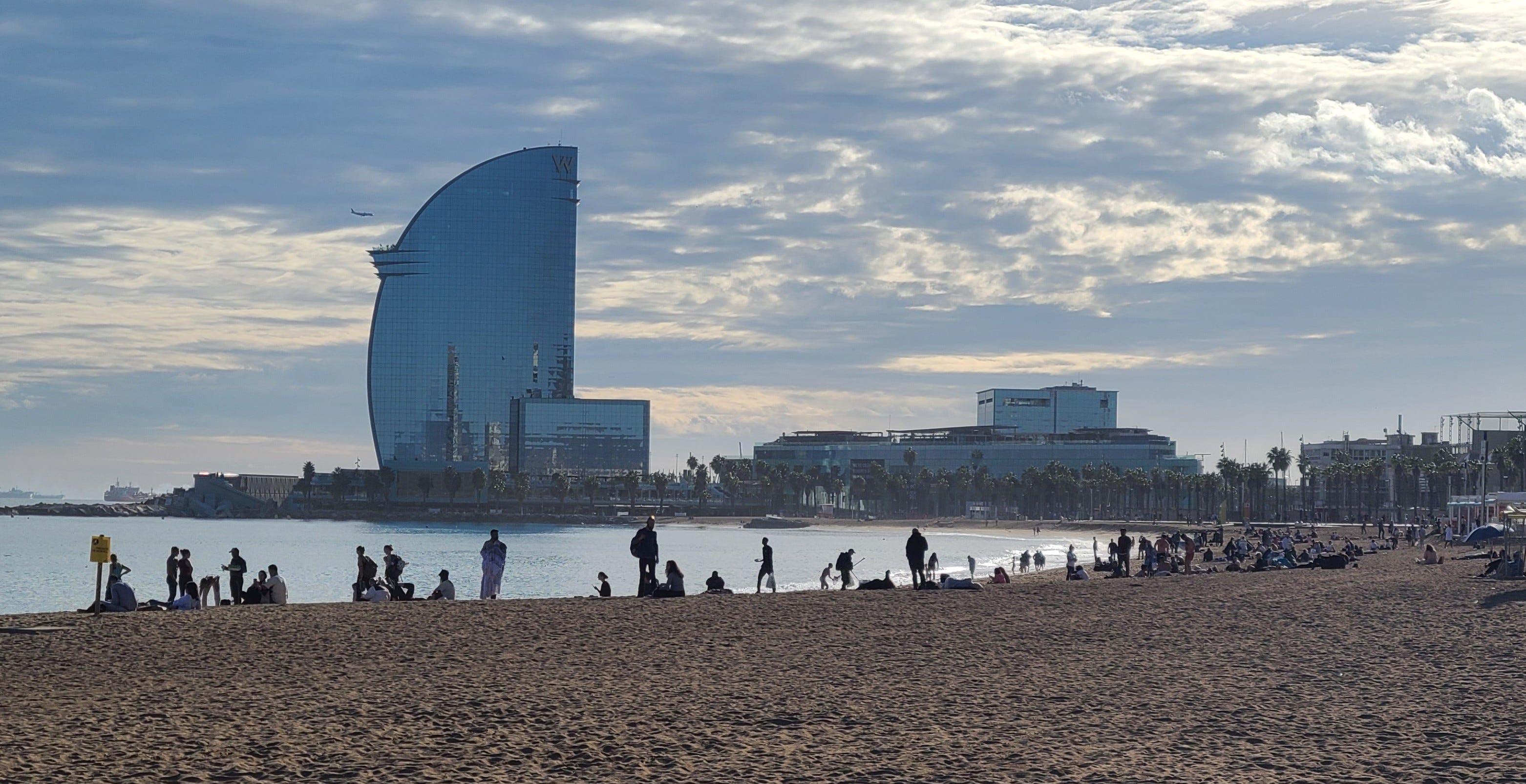
Nobody leaves Barcelona talking about the ugly buildings. But there are lessons to be learned from the city’s mistakes. Decisions have long term consequences, and Barcelona is still paying the price.
I appreciate a different perspective (albeit true) of a city, region, country... I always remember being in Limassol, Cyprus, and noting the city's vast differences (beautiful, quaint neighbourhoods and ones that were completely run-down, let alone the sprawling resorts). I often take photos of the areas, things and places that inspire and I deem beautiful, but always leave knowing there are other stories to a place as well.
Ironically I find myself at that hideous Mapfre building often, because the Fundacion Mapfre puts on incredible photography exhibits. The old Olympic village is a curious area to explore, lots of interesting architectural oddness to see, but definitely a bit of a dead spot in the city. Our new apartment is on the edge between the Olympic village and the more interesting part of Poblenou, so we get an interesting mix of architectural experiences in our daily walking about.
I feel sorry for anyone who travels here and stays in the Hotel Arts, not realizing how the area around it is full of vacant, trashed businesses, obnoxious tourists, and isolated from the city. And the W.... even more isolated, way off in the middle of nowhere, though I suspect the people who stay at the W have zero interest in actually exploring Barcelona at all.
For all the amazing architecture here, and fabulous urban amenities like the new park by the hideous penis building, there is a rich history of bad urban planning and architectural decisions in this city!