Your Next Barcelona Visit Just Got More Expensive
Catalonia is doubling tourist tax on accommodations
As part of its on-going effort to shift the dynamics of the tourism industry, the Catalonia government last week approved a 100% increase in the nightly tourist tax charged at hotels and short-term rentals.
The new rates, which go into effect in April, will bump the tax rate for holiday rentals from €6.25 to €12.5 a night, while hotel guests will pay between €10 and €15 ($17.60) per night per person, depending on the type of hotel.
For the Barcelona tourist industry, this is the latest in a series of efforts by Catalonia to slow down the flow of tourists flooding the city. The announcement comes two years after Barcelona announced a plan to completely eliminate Airbnbs and short-term tourist rentals by 2028. Last year Spain’s Consumer Rights Ministry levied a €65 million fine against Airbnb for advertising unlicensed tourist rental homes, as cities work to claw back the available supply of homes for locals.
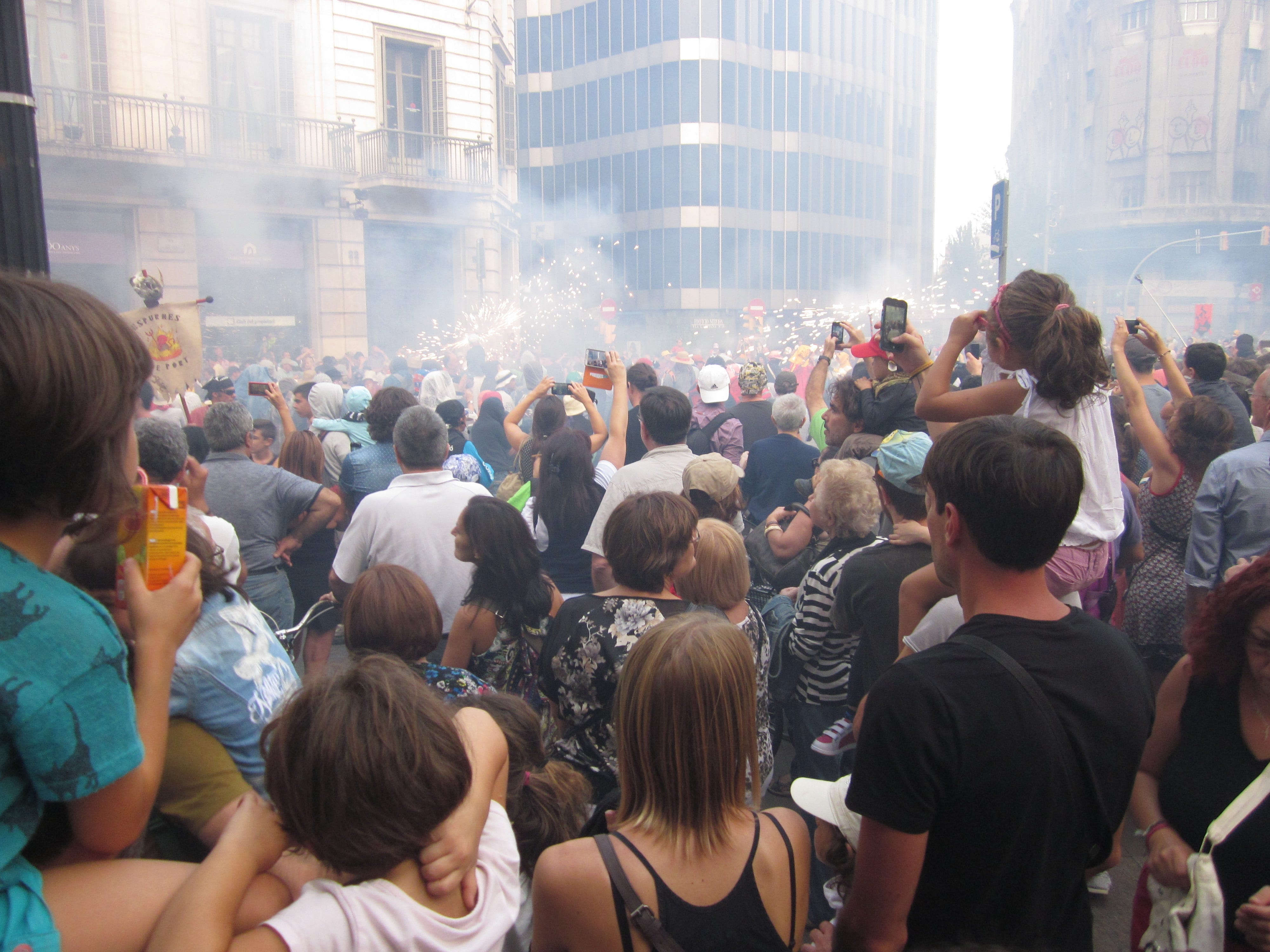
While the new tax rate may infuriate tourists and local businesses — “one day they will kill the goose that lays the golden eggs,” the head of the hotel association proclaimed — there are good reasons behind the moves. Barcelona can often feel like a theme park that decided to let everyone in for free. The city attracts more than 15 million visitors a year, an outrageous number for a relatively small city with a tightly defined tourist area.
At the same time, in a city that prides itself on taking care of its own, housing prices have soared and many residents have been displaced by the short-term rental industry, which exploded in recent years. (There are still more than 10,000 licensed short-term rentals in the city.)
Barcelona is not alone. Cities around the world are asking tourists to pay more, to help support city services. (Amsterdam charges visitors pay 12.5% of the nightly price, Fodor’s notes.) Catalonia will use 25% of the tax revenue for housing programs, which seems laudatory (even as it makes you wonder why it’s only 25%).
In Barcelona you can already see the declining number of short-term rentals available since last year’s crackdown on unlicensed listings. These days, the rentals you find are almost universally licensed — the number will be posted in the listing. For years, Barcelona was the wild west with unregulated flats throughout the city scamming tourists, hosting parties and distorting the housing scene. Getting rid of the unlicensed operators will help bring clarity to the market, while the legislators and courts continue to debate the realities of the ban.
The new taxes might hurt for many tourists and conventions, and some may simply decide to go somewhere else. But in the long term, the city is trying to find a balance between tourism, commerce and supporting the daily life of the city’s residents.


Good and interesting, Kevin Thanks--and it's working. Though we love it, Barcelona is now overrun with tourists like us. We won't be going there this summer!