

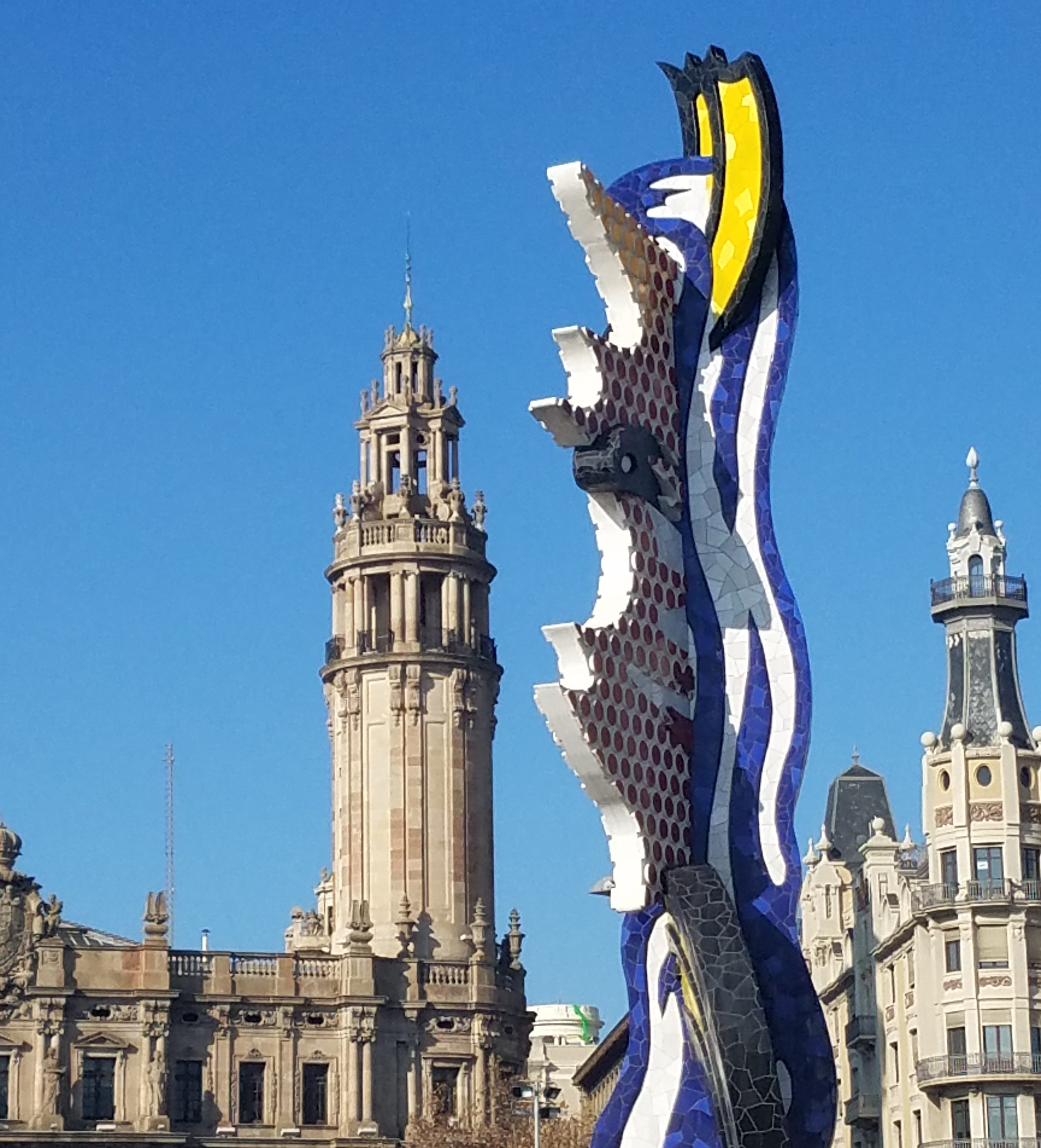
Like many tourists, I didn’t really get Barcelona on my first visit. The neighborhoods seemed strangely monotonous and the crowds in the tourist spots were obnoxious. I walked La Rambla, gazed upon Sagrada Familia and joined the throngs herded into a Gaudi house. The city registered as a Paris wannabe with a cool church, little more than a nice stop on a quickie Euro jaunt.
It wasn’t until my third visit, after I had worked through the list of must-do tourist activities, that I started to understand why so many people fall in love with the place. When you sink into the city’s rhythm of life and move away from the tourist zones, you start to discover the real Barcelona, the city that inspires so much loyalty, outrage and bad poetry.
I’m often asked why I’ve become marginally obsessed with the city, a valid question. There are plenty of cities with beautiful old cafes, great history and cool art. I could just as easily be eating tasty pastries and swapping tales of revolution and architecture in a Paris or Copenhagen coffee shop.
On one level, my answer is simple: I’m an architecture and urban planning geek and Barcelona is the best designed city in the world. Fellow urban planning geeks know exactly what I’m talking about. The wide sidewalks, notched corners at the end of the blocks, the sunny corridors — they’re all the product of an urban plan developed in 1860 by Ildefons Cerdà, an innovator in sustainability and healthy cities a century before it was cool to be green. In an era when most cities planned streets around troop movements, Cerdà explored how people live and move through neighborhoods, addressing the poor conditions that plagued so many cities.
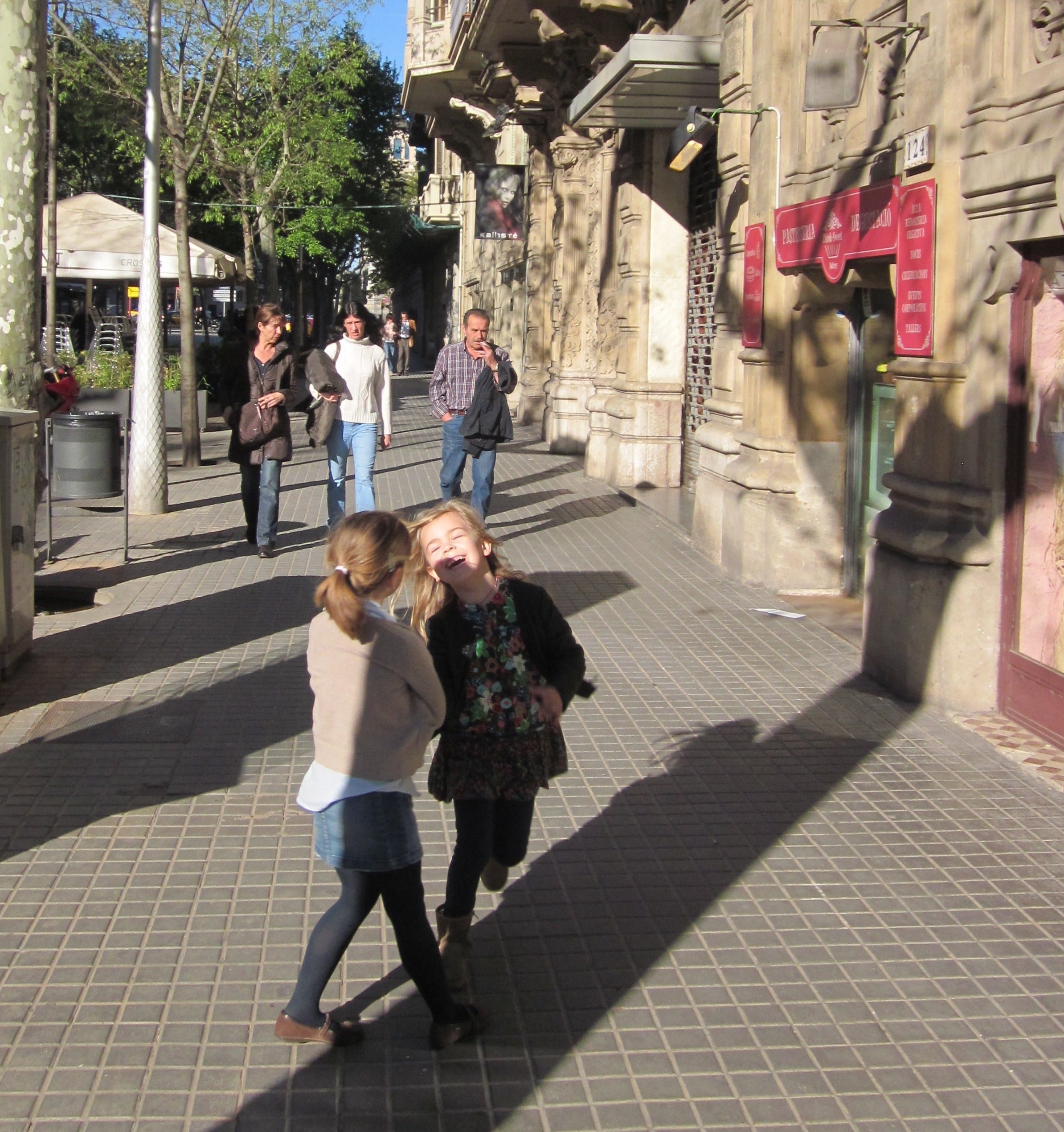
Much of the best parts of Cerda’s plans were tossed aside by greedy developers, but the results still can be seen everywhere in the modern Barcelona, from the cafés that line the sidewalks to the fresh air that flows through the wide avenues. It’s easy to walk from block to block because Cerdà spent a lot of time figuring out the appropriate length and height of a city block. The design encourages people to live outdoors in the cafes, squares and parks. Traffic, buses and the metro move naturally through the streets. It is still, and always has been, a city that works, right up until the times it turns into a crazed shitshow, which happens with sad regularity.
The more I learned about Barcelona, the more I became fascinated by the centuries of scandals, tragedies and passions that shaped the city and its culture. Barcelona’s charm and fabled quirkiness are no accident. Battles were fought, decisions made, norms ignored to make Barcelona what it is today. To understand the long-running Catalan independence movement today, you must first appreciate the region’s centuries-old battles with Madrid and Europe, and the tales of irritated queens and ambitious French operators that almost always ended badly for Barcelona.
Beyond journalistic curiosity, digging deeper, my obsession becomes harder to explain.
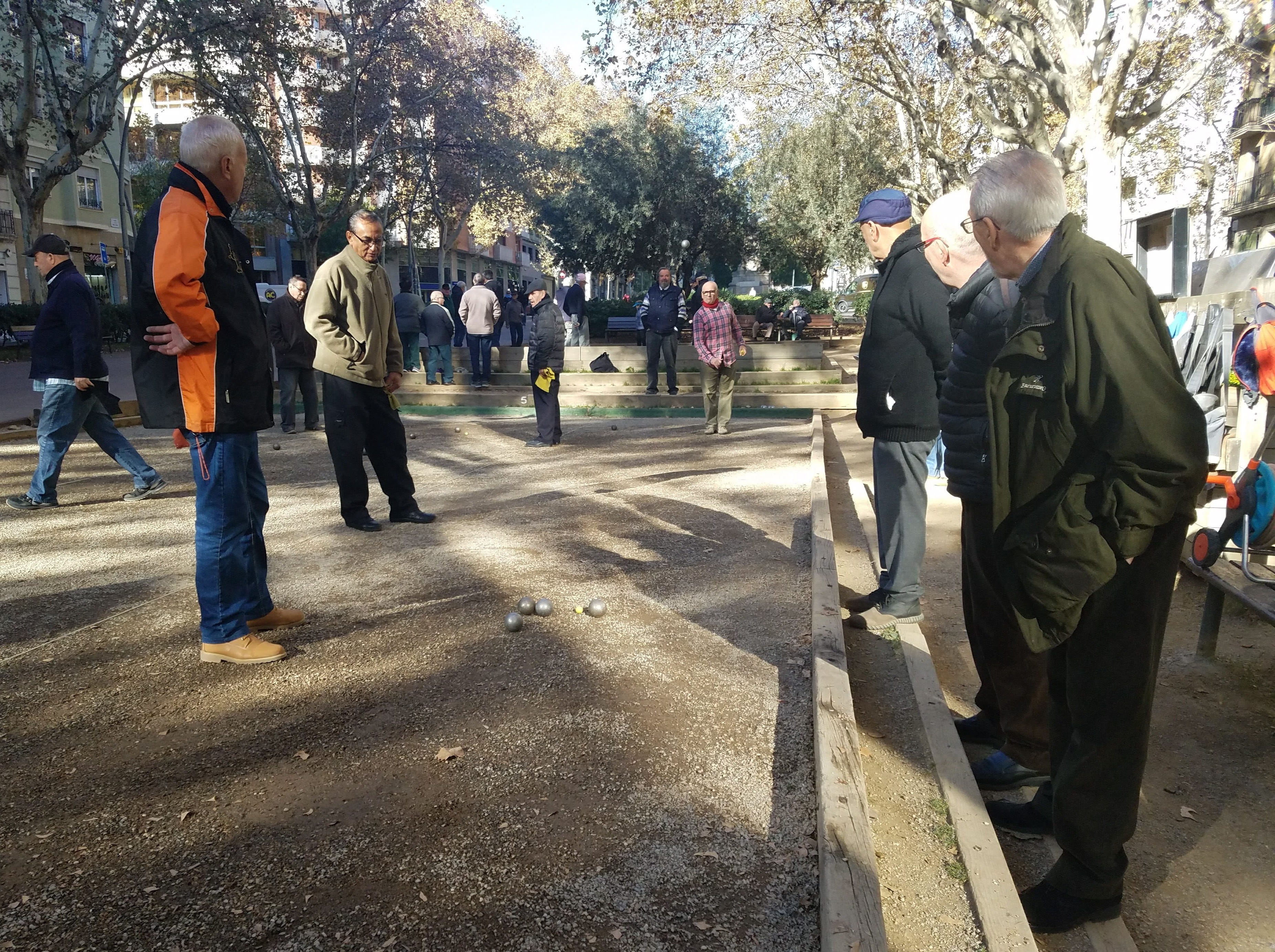
As soon as I arrive, I’m always amazed at how comfortable I feel in the city. Strolling the streets, I instantly feel like I never left. Within hours I’m eating weird forms of pig in dark cafes in the middle of the night, complaining about noisy garbage pickups and spending too much time sipping cortados and watching old men play bocce ball in the park.
Once you’re away from the tourist areas, Barcelona is remarkably free of the hubris and fast-food chains that provide the landscape for so many cities. Neighborhoods may look the same, but each is unique, defined by the bakeries, markets and wine stores that have been part of the block for generations. An old lady sells vegetables form her cousin’s farm; a shop offers a rare cheese from a little town in Basque country; a cobbler repairs everyone’s shoes, same as his father and his father before that. These neighborhoods have survived crazy kings, Franco and the rise of Wal-Mart.
In Barcelona, I walk obsessively, sometimes just because I’m bored. It is a city that always pays off when you make the wrong turn or decide to walk down a new alley. The city’s history can be found in the nooks and crannies, the labyrinths of old street and the sordid tales reflecting centuries of anarchists and artists; royalty and deceit; celebrations and vendettas.
‘It is still, and always has been, a city that works, right up until the times it turns into a crazed shitshow, which happens with sad regularity.’
A bizarre stew of cultures, tragedy and inspiration produced a city with a distinctly different vibe than any other major city in the world. The streets are named after poets and architects, not conquering generals. It is a city that treats art, theater and music as vital parts of the daily environment, from random, outrageous street performers to the opera singer practicing a mournful aria amid the old stone walls. In Barcelona, instead of a ratty dropout trying to play old Beatles songs on an out-of-tune guitar, the street musicians are often trained artists playing jazz and classical music, taking advantage of the acoustics of a secluded spot. You can tell a lot about a city by the quality of the buskers.
On a fundamental, bureaucratic level, Barcelona embraces culture, education and the outrageous. The city’s identity and tourism industry are built around the flamboyant designs of art nouveau, a movement that flips the bird to old traditions and rigid thinking. Among its long line of festivals and parties, every April the city celebrates the Saint Jordi Festival by sharing books and roses. There are no military parades in Barcelona, but there are regular massive, traffic-snarling demonstrations around global peace, worker rights and equity issues.
It is, without a doubt, a city with flaws. Tourists overrun the neighborhoods in the summer; graffiti scars the old buildings and there is a seedy veneer to many of the old streets. In the dark corners of Raval, not far from the tourist throngs, you might see hippies shooting heroin in a picturesque cobblestone alley and the guy next to you in the bar in Poble Sec may or may not work for the Russian mob. And it is true that many of the world’s best pickpockets operate in the city.
‘These neighborhoods have survived crazy kings, Franco and the rise of Wal-Mart.’
All those things are true and none of it matters. Catalonia’s historic knack for landing on the wrong side of war and politics has produced a resilient spirit, a sense of nationalism and pride that remains a very real part of the modern Barcelona. The outside world, and the scandal du jour don’t really matter. The city succeeds and grows and remains a great place to live and visit, despite all the weirdness and turmoil. In 2017, after a horrible terrorist attack on La Rambla, tens of thousands took to the streets to chant, “we are not afraid.” That is Barcelona.
In the real Barcelona, which has nothing to do with the tourist Barcelona, not everything fits the postcard images. The heroes are often damaged; the fables often end badly. The stories don’t quite fit the myths. There is context and a story to everything about the city. The great buildings are the product of craftsmen and builders who were oppressed and manipulated by the city’s elite for generations. The beach is sunny and fun and completely man-made. The rewards go to those willing to sink into the city and discover what makes it different and worthy of stirring Catalan ballads.
As a journalist, I love that there is a story behind every corner. That feeling never goes away in Barcelona. No matter how much I learn, I am constantly reminded that my perspective is that of an outsider, a dumbass American experiencing a city built over generations. After years visiting and living in the city, I am keenly aware that I am no more than a guest, and it would be arrogant and foolish of me to think I will ever really understand this place.
One of the most fascinating cities anywhere. But apparently, they don't want me, or you, or anyone who isn't a Barcelonan to visit, which makes it uncomfortable. And I dislike being sprayed with water guns just because their government allows apartments to be transformed into tourist rentals and the city has more cruise ship arrivals than any city in Europe—with the approval of the city fathers. I've got a Substack story coming out tomorrow morning, which will probably make you (and everyone in Barcelona) hate me. It's OK. I've got a thick skin.
What a beautiful love story to a city!