
Is This Chalet Really a Gaudí Project?
New study appears to settle a long debate. But there’s a twist.

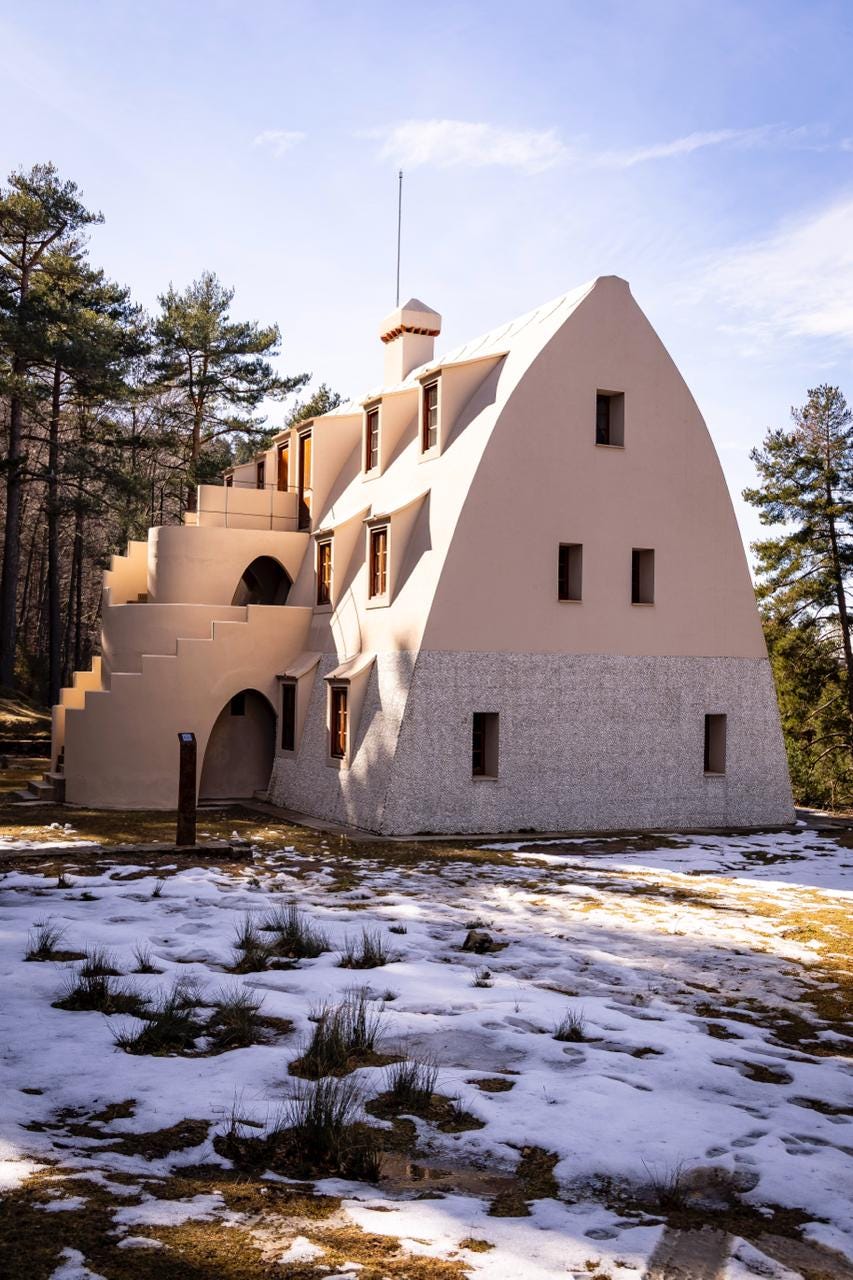
With much fanfare, the Catalan Department of Culture released a study this week confirming that a remote chalet in the mountains north of Barcelona was, in fact, designed by famed architect Antoni Gaudí.
The announcement attracted international coverage proclaiming the discovery of a “lost” Gaudí. But it’s unlikely the notoriously prickly Gaudí would be happy about the news, considering he didn’t want his name on the three-story, wedge-shaped building when he was alive.
Gaudí was certainly involved in the design of Xalet del Catllaràs’, located just outside the town of La Pobla de Lillet. During the early 1900s, he was busy in the area creating housing for workers in factories owned by his primary benefactor, Eusebi Güell. He is also credited with designing the nearby Artigas Gardens for another one of his supporters.
But there are complications to declaring the unassuming chalet an official Gaudí, even though it has been commonly referenced as a Gaudí for decades. For one, Gaudí was only involved in the initial design. He was a busy man at the turn of the century. Parc Guell and Casa Batlló were in full swing, and he was becoming increasingly obsessed with Sagrada Familia, the church that would consume his later years. By all accounts, he didn’t supervise construction of the chalet and reportedly didn’t like the final result, which left out many of the more complicated aspects of his original design.
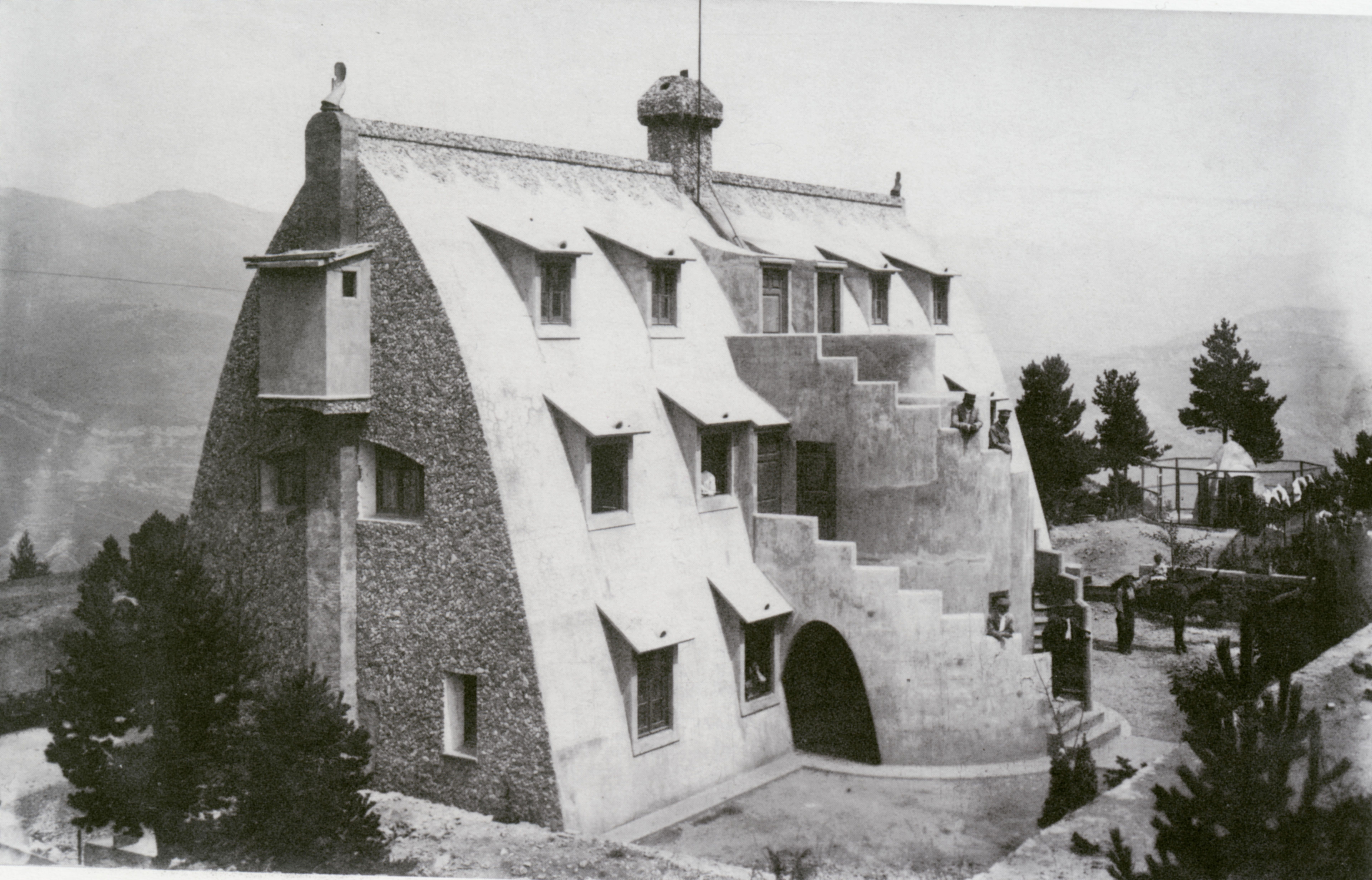
In very Gaudí-like fashion, he refused to formally sign the project’s final paperwork and didn’t include it in any of his professional portfolios, according to published reports. Gaudí was well-known for balking when his designs were altered, most famously when the owners of Casa Mila, his landmark work on Passeig de Gracia, didn’t want to put a 4-meter-tall statue of the Virgin Mary on top of the house.
The chalet’s architect was officially listed as unknown. Over the years, the building was renovated and abandoned several times, leaving little trace of anything resembling a Gaudí project. (This site has a nice look at the building’s history.)
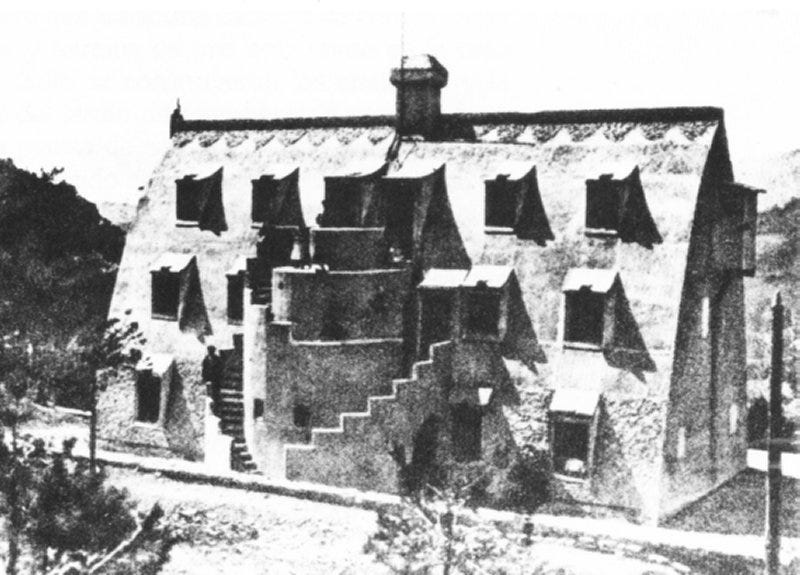
For years, the chalet and its provenance has been a source of debate among local experts, who felt it deserved the full Gaudí recognition. In 2020, a major restoration helped return the chalet to something resembling its original plan. (ROA Arquitectura studied the project a few years ago.)
New research commissioned by the Catalonia Department of Culture confirms Gaudí as the “author” of the design, the agency announced at a press conference this week. The study by architect Galdric Santana, professor at the Barcelona School of Architecture (ETSAB), acknowledges Gaudí did not direct construction and “never publicly claimed authorship because the work was not built according to his design.” However, the study concludes the chalet “contains unique methodologies and techniques by Gaudí that attest to its authorship.”
Several elements were pure Gaudí, the study found. Designs for arches and vaults — including some not actually used in the final design — and the arrangement of the rooms were all typical of Gaudí at the time and would later appear in his other buildings.
The researchers moved into new territory in terms of creating a technical model for analyzing a designer’s influence on a project, according to the press release. The focus on “geometric, structural and compositional evidence” included 3D studies and extensive analysis of historical documents and photographs
“The study details, one by one, all the details that have led it to conclude, affirmatively, that Antoni Gaudí was the author of the Xalet del Catllaràs project,” the Department of Culture announced.
The announcement dances around the issue of calling the project a Gaudí design when Gaudí didn’t want his name on it. It was not unusual for busy architects not to sign the paperwork for projects that didn’t match their initial design, the release suggests. However, the release acknowledges, “the author of this work (Santana) concludes that Gaudí did not direct its construction, and that it was executed and modified by third parties, losing its initial formal and structural meaning.”
In interviews, Santana says the project represents Gaudí’s work and illustrates his way of thinking at a crucial time in his career, even if not all the elements of his design are in the final building.
“What’s most important is that it shows the new architectural approach that Gaudí had,” Santana, who is also director of the Gaudí Chair at the Polytechnic University of Catalonia (BarcelonaTech), told Reuters.
Announced as part of the Year of Gaudí, the celebration commemorating the 100-year anniversary of the architect’s death, the conclusion is certainly good news for area tourism agencies, which have a new site to market. The Berguedà region will now be included on maps of Gaudí destinations, Minister of Culture Sònia Hernández announced at the press conference. “Today we celebrate news of enormous value for our cultural heritage,” she said.
Nothing in the announcement answered the question: would Gaudí have been happy with the result? Would he want his name on the building?
In his lifetime, Gaudí answered that question, based on the historical record. He wasn’t shy about claiming his work; or disassociating himself from stuff he didn’t like it. Now, a hundred years after his death, his name is back on the chalet, whether he likes it or not.
Hidden stories from the world of architecture! What a pleasing departure from the mess of the world. Thanks, Kevin!