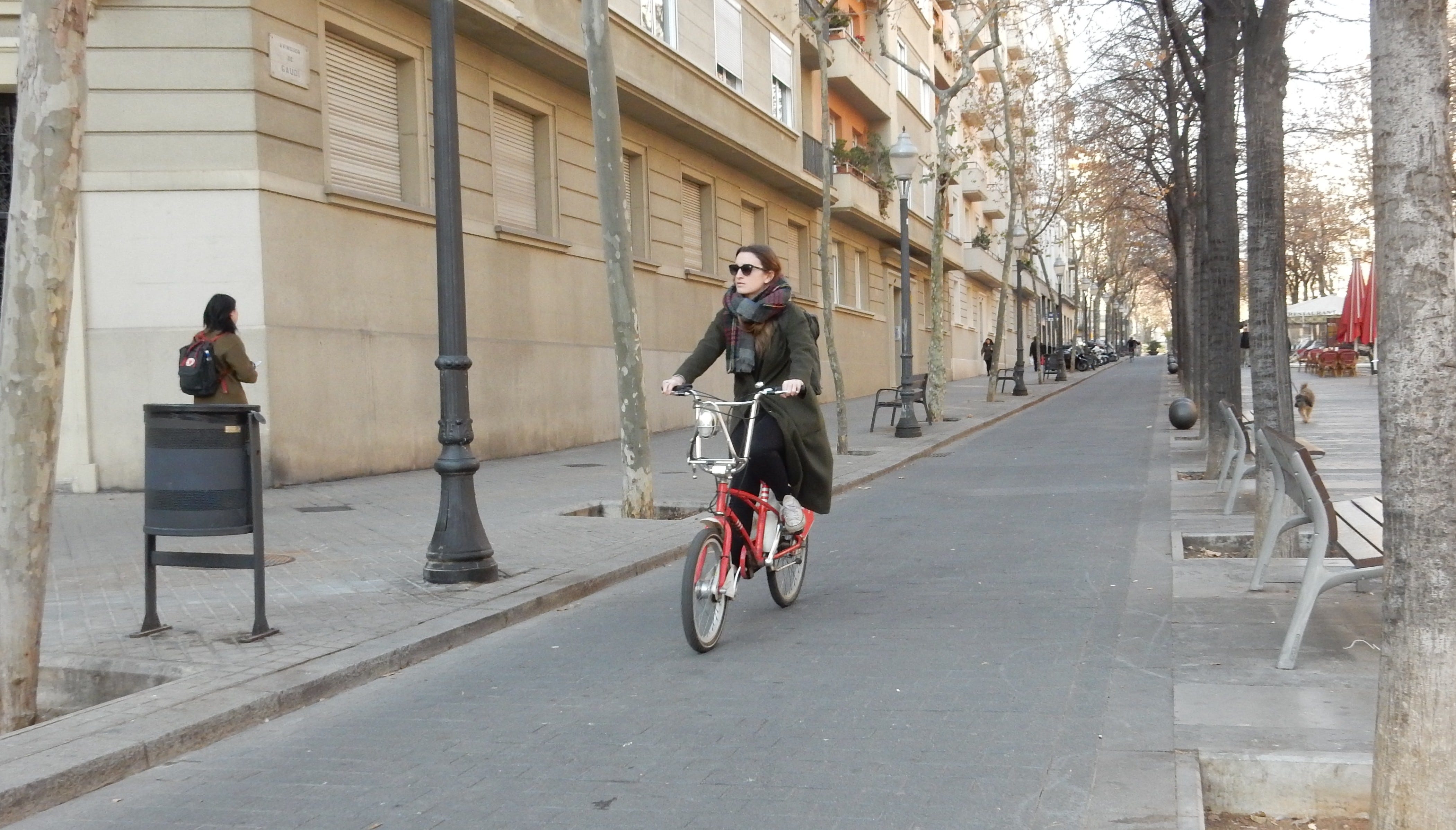
Barcelona is Kicking Out Bike-Sharing Companies
City Council decides private "dockless" services cause havoc, serve tourists, not residents.
In its latest move to address the impact of tourism on the city, the Barcelona City Council has decided to ban private bike-sharing programs, such as Lime, Bird, Bolt and Voi.
The Council says it will continue to expand the oft-criticized city-operated bike-sharing program, Bicing, which is only available for residents. But the private bike services are a “mess” that are doing more harm than good, Mayor Jaume Collboni said at a recent press conference.
Data shows that 90% of rentals on the “dockless” private programs are by tourists. And confused bike-renting tourists are apparently careening around the city, causing accidents and cluttering the sidewalks and parking areas with discarded bikes, city officials say.
In recent years more than 4,500 complaints have been filed about the bike programs and more than 5,400 fines issued, according to the city’s statistics. At its peak, more than 3,500 bikes were laying around the city, and more than 2,000 bikes have been impounded for parking in unauthorized areas.
The city says the bike services didn’t live up to agreements to police their own riders. They voted to eliminate the bike-sharing apps by Jan., 2027.
The bike programs are a “mess,” Mayor Collboni told reporters. “The city must protect public space.”
The news will likely prompt gratuitous eye-rolling in some circles, given Barcelona’s socialist-led government’s recent headline-grabbing efforts to curb the effects of the tourists flooding into the city. In the past year, the city announced plans to eliminate AirBnbs, raise tourist taxes and ban cruise ship stopovers.
Critics say the city’s decision to dump the private services will eliminate mobility options, at a time when biking-sharing is growing in popularity in many cities. The public Bicing bike-sharing network, with docking stations around the city, is popular and tidy, but it also plagued by glitches and maintenance issues. And it’s only for locals.
“This decision goes against the trend elsewhere in Europe and the world, where bike share systems are increasingly an integral part of sustainable urban mobility systems,” Henk Swarttouw, the president of the Brussels-based European Cyclists’ Federation, said in a social post.
But the Council has been consistent in its efforts to shift the city’s focus from tourism to residents. In recent years, the city has greatly expanded the local network of bike lanes and car-free roads, making cycling a safer and more reasonable experience. (Although the Bicing system is for locals only, tourists can still rent bikes from local shops, Barcelona authorities note.)
While eliminating the bike-sharing apps may seem anti-mobility, the dockless programs present specific issues. It’s similar to the rollout of scooter rentals, which swamped cities. Scooters rentals seemed like a good idea, right up until piles of abandoned scooters started showing up on street corners and emergency rooms filled up with drunken frat boys who, it turns out, can’t ride a scooter.
The same issues have plagued the rollout of the bike apps, and the numbers suggest they won’t be missed, at least by locals.


Barcelona's tourism industry earns more than $15 BILLION per year, directly employs more than 130,000 people, and funds nearly 13% of the city's annual income. So let's take a deep breath before diving further into the anti-tourism screeds. I'm dubious about the claim that "90% of rentals on the 'dockless' private programs are by tourists." How is that even quantifiable? A credit card purchase doesn't identify a person's tourism status. Is that a real statistic? You provide no source other than saying "Data shows." But if you don't want the tourism income, so be it. I recommend visitors come to New York City instead, where we love you, and you can rent as many bikes as you want.